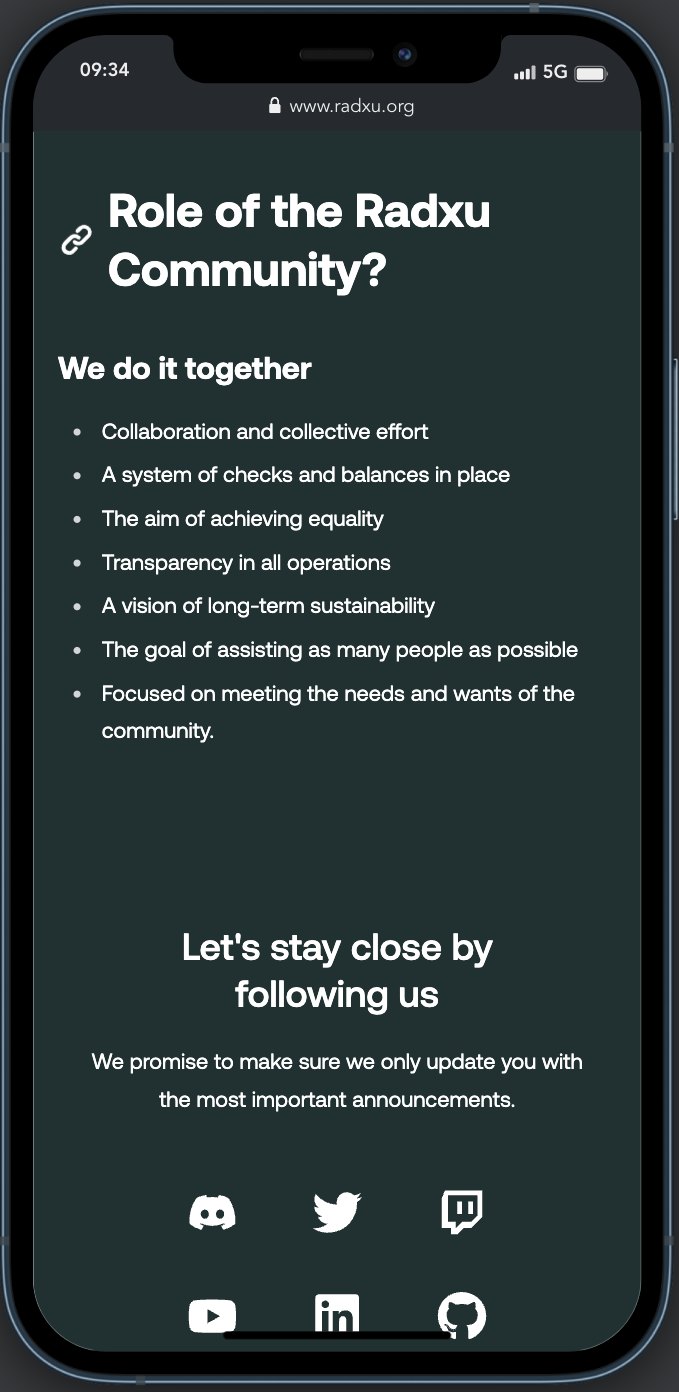
Audicity & Radxu
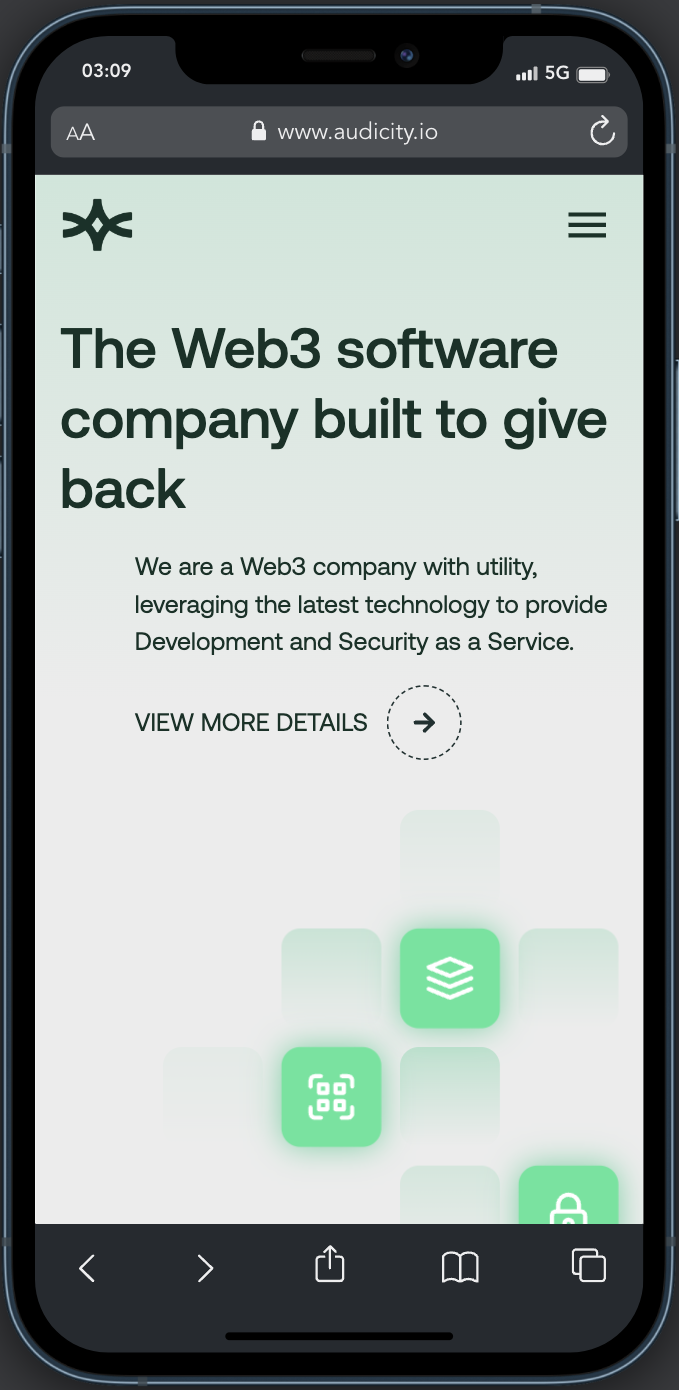
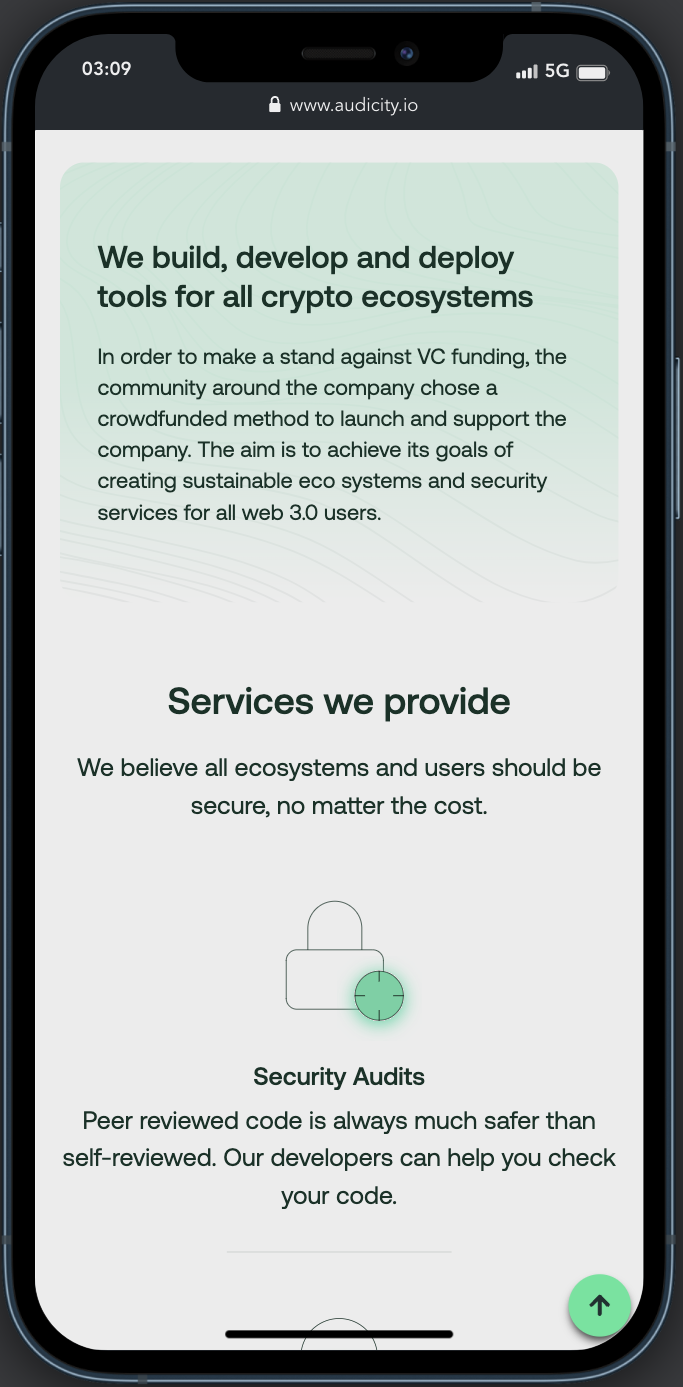
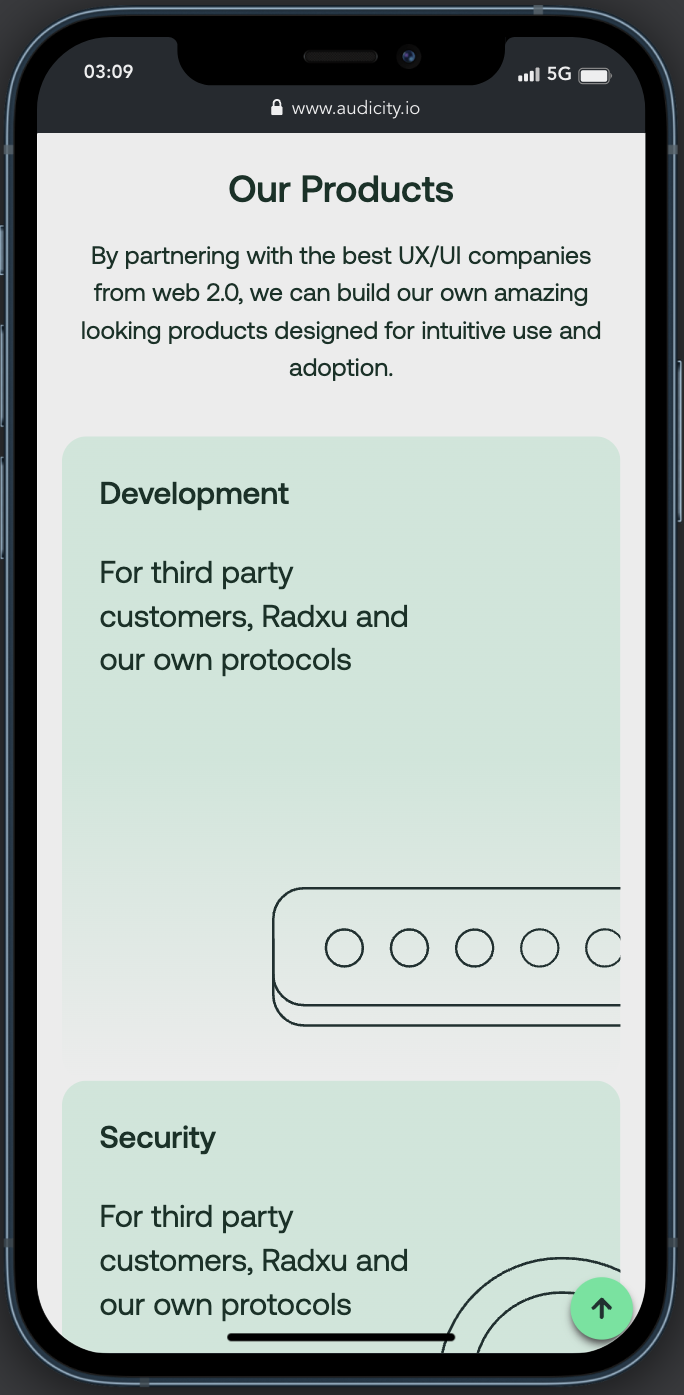
Audicity was a Web3 software development company focused on helping traditional Web2 businesses explore blockchain integrations. Its services included building custom blockchain infrastructure, such as smart contracts, NFT launches, and cryptocurrency payment integrations for external clients.
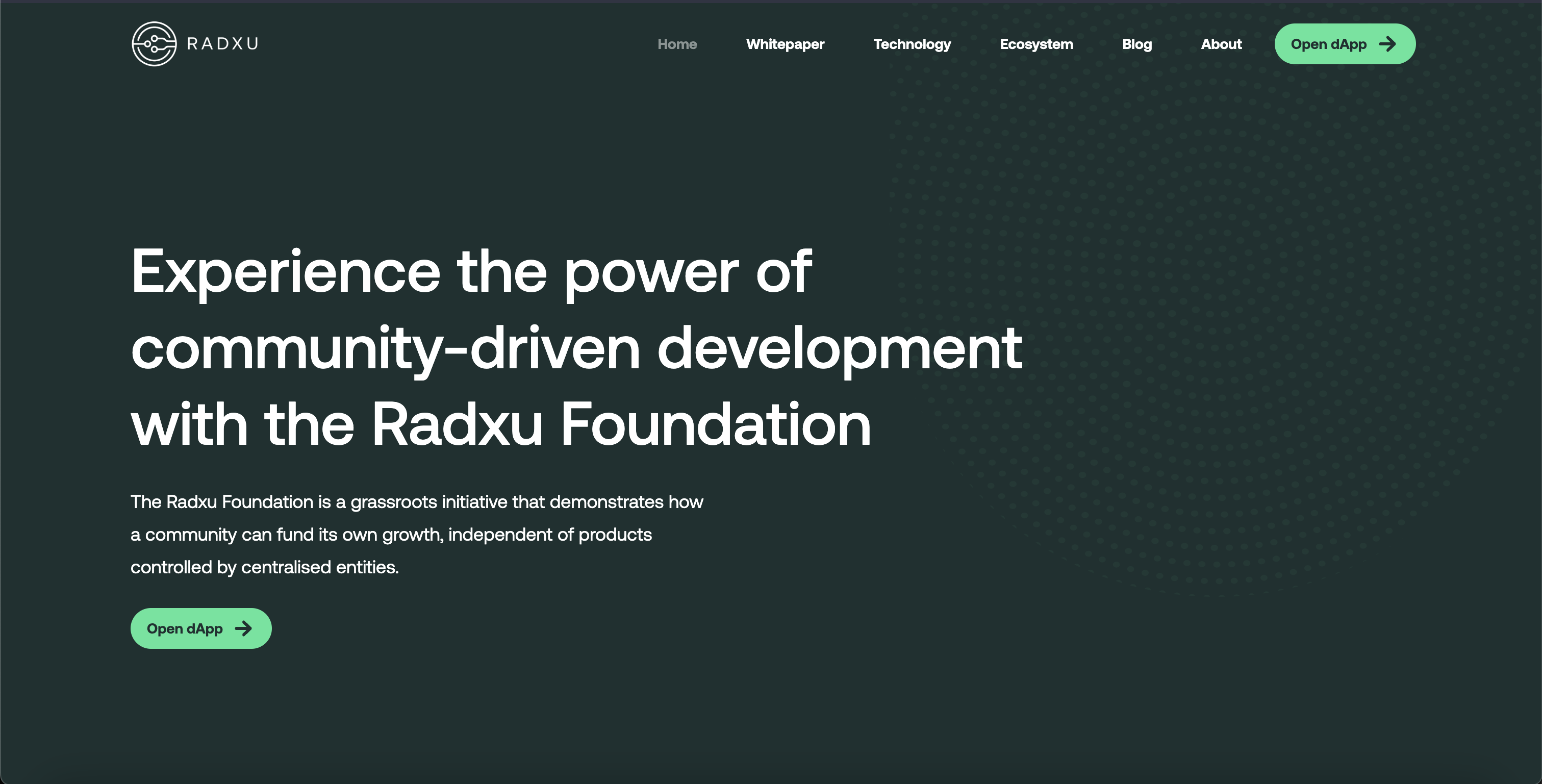
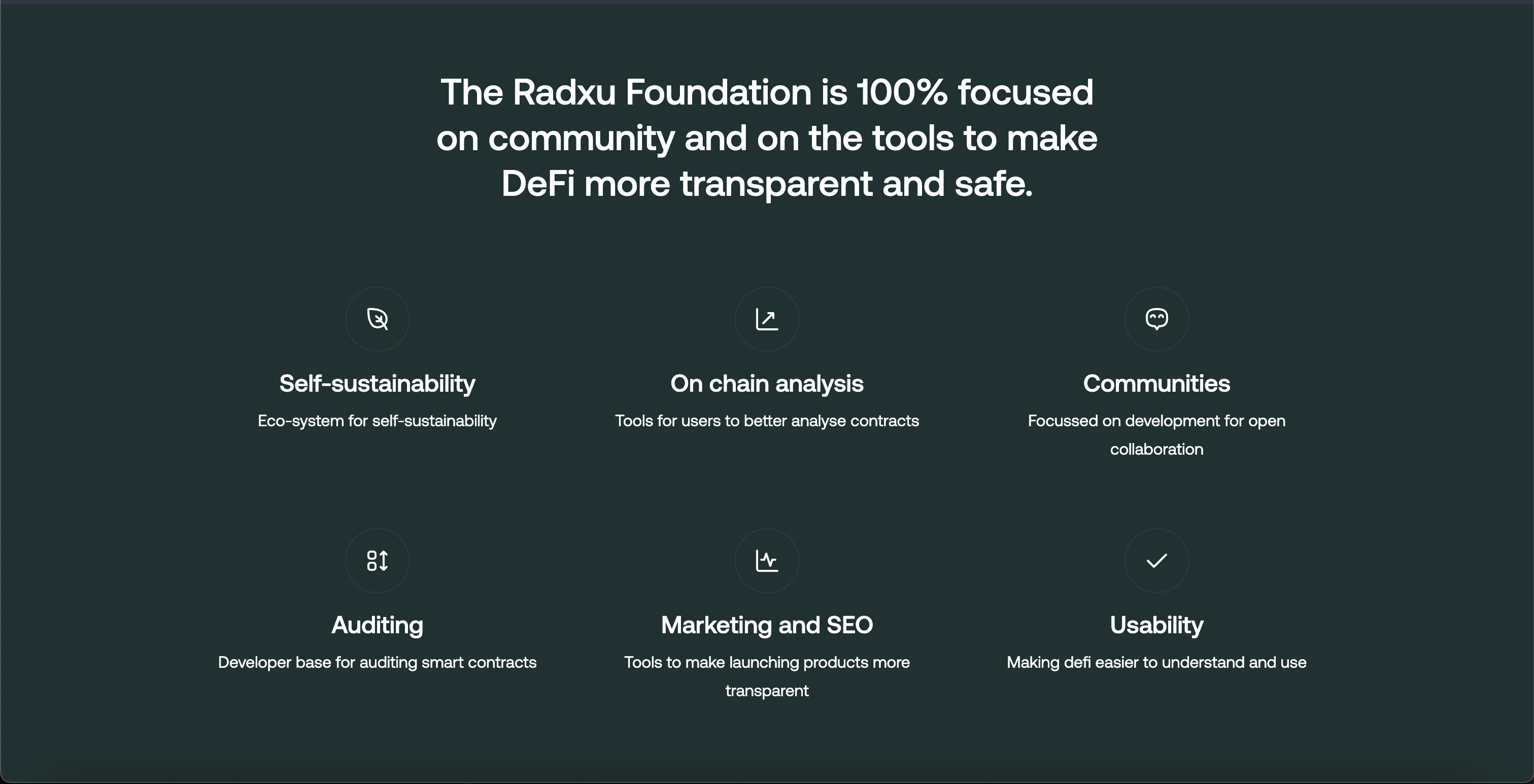
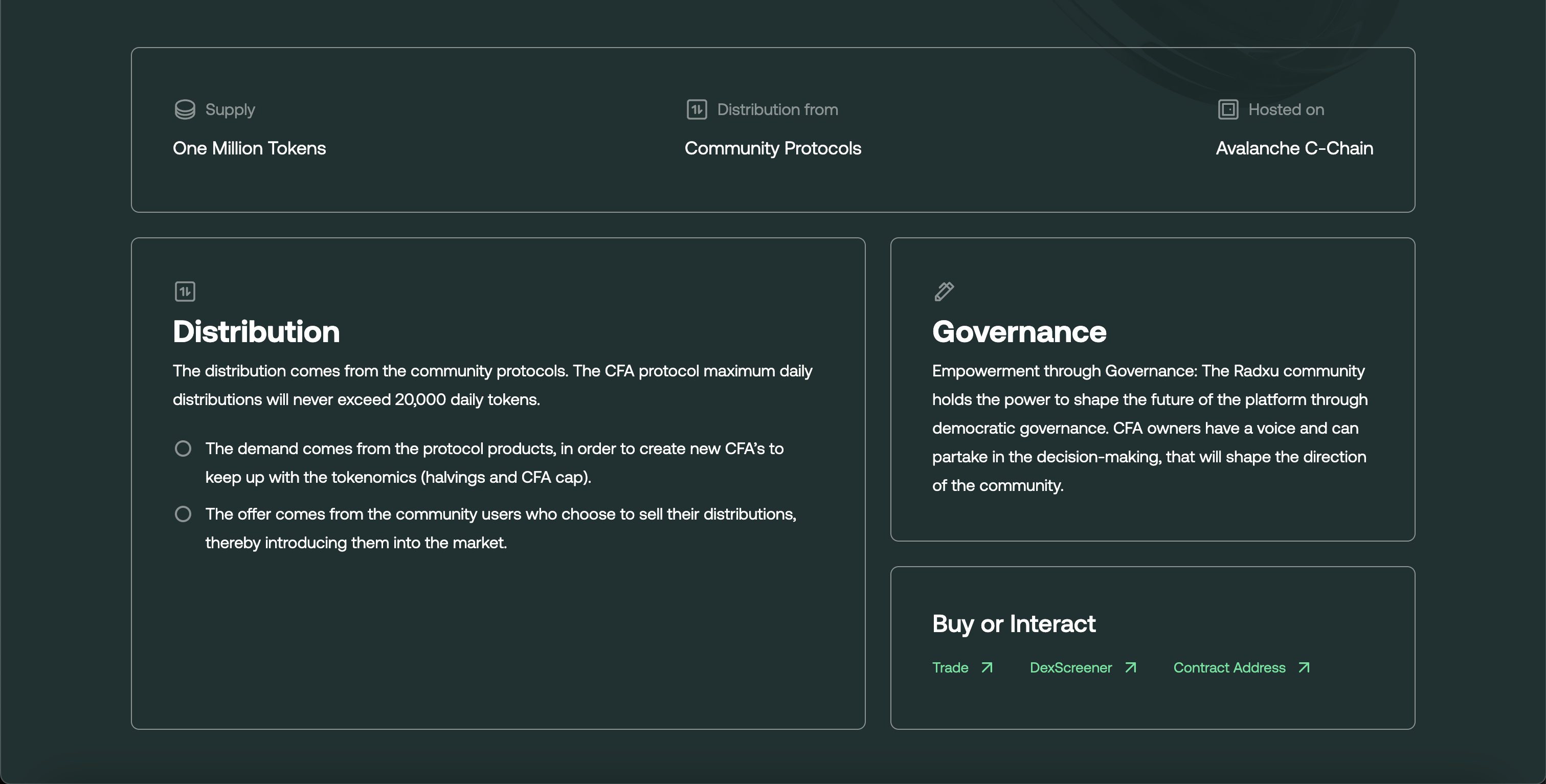
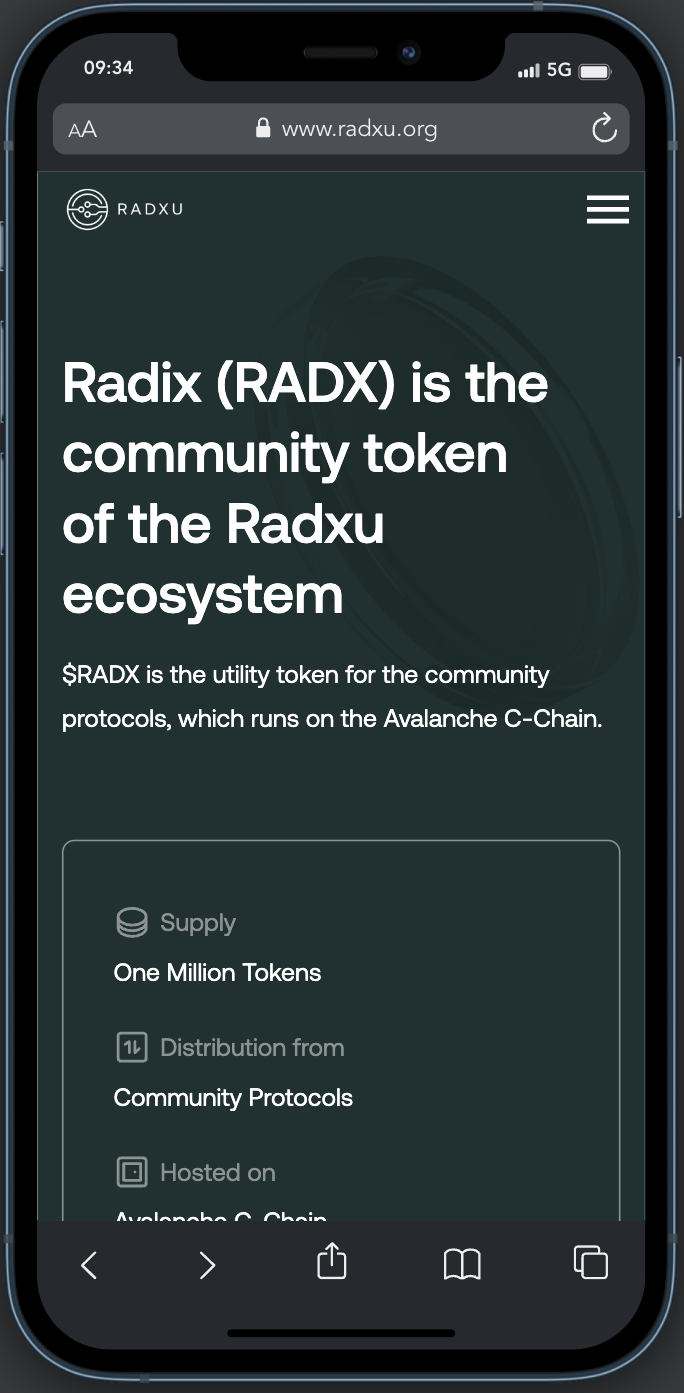
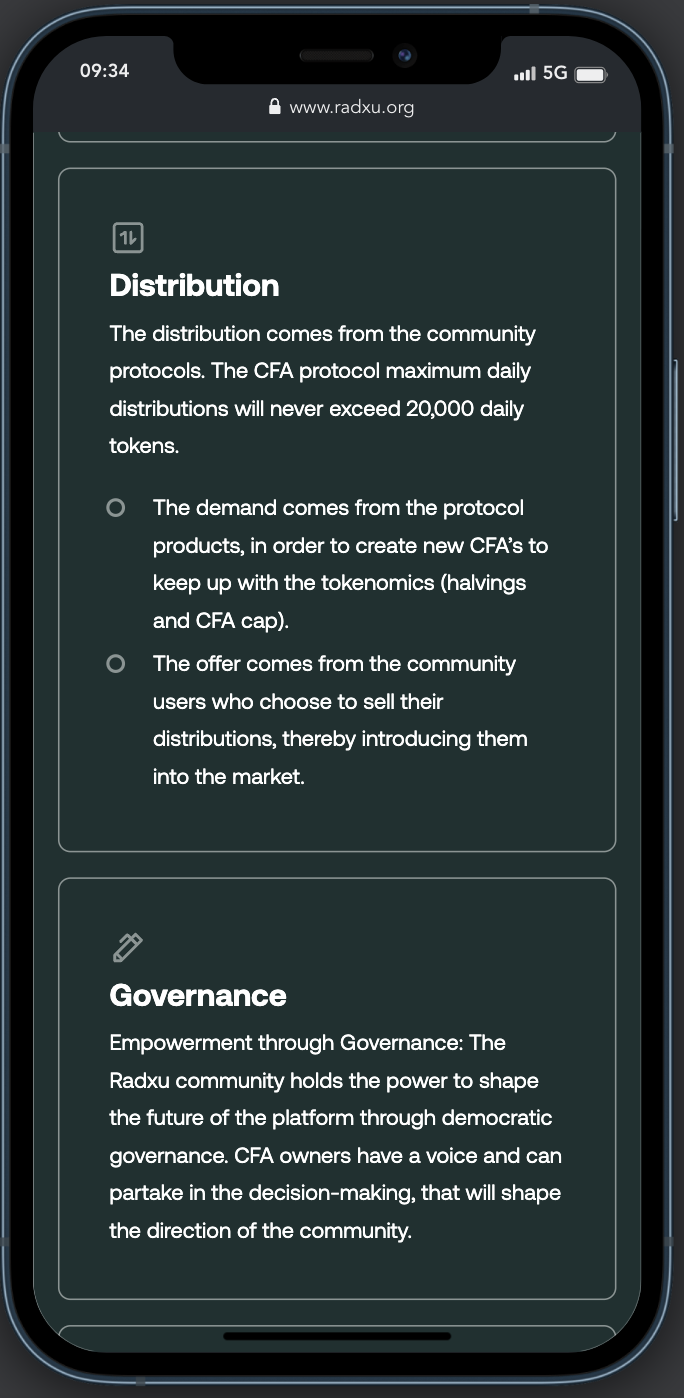
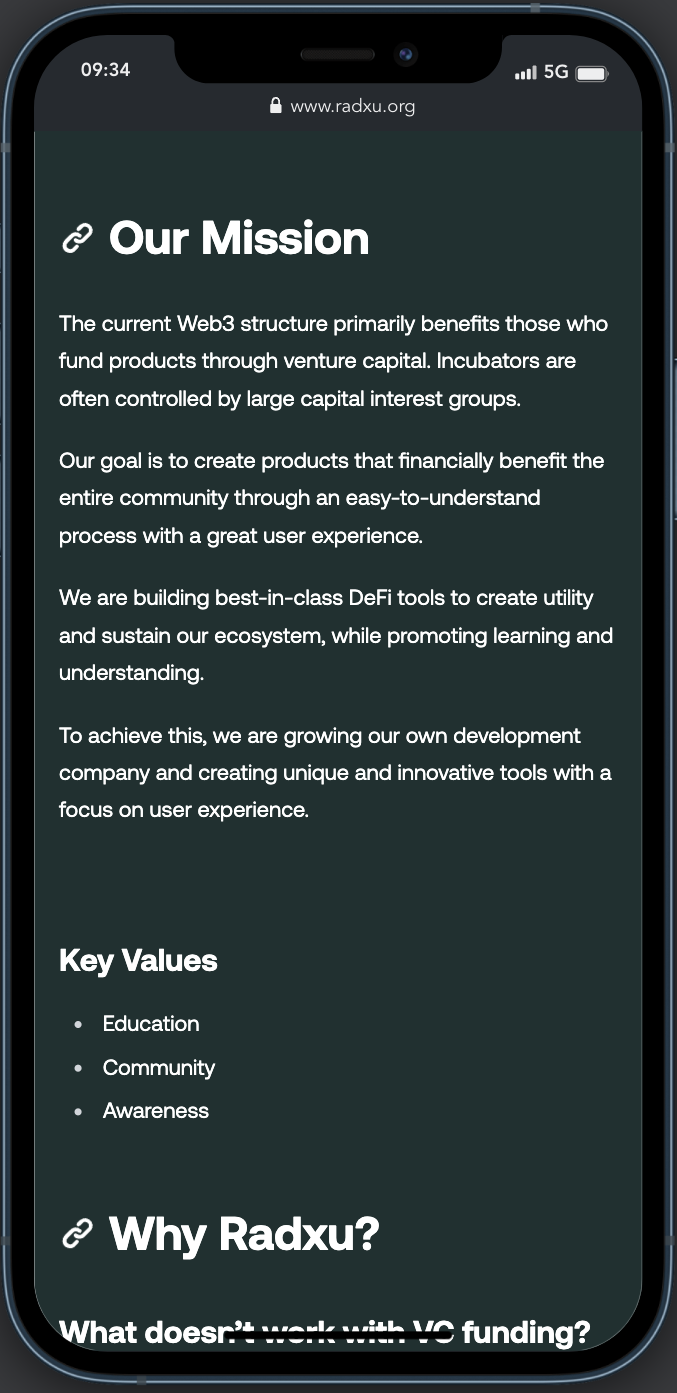
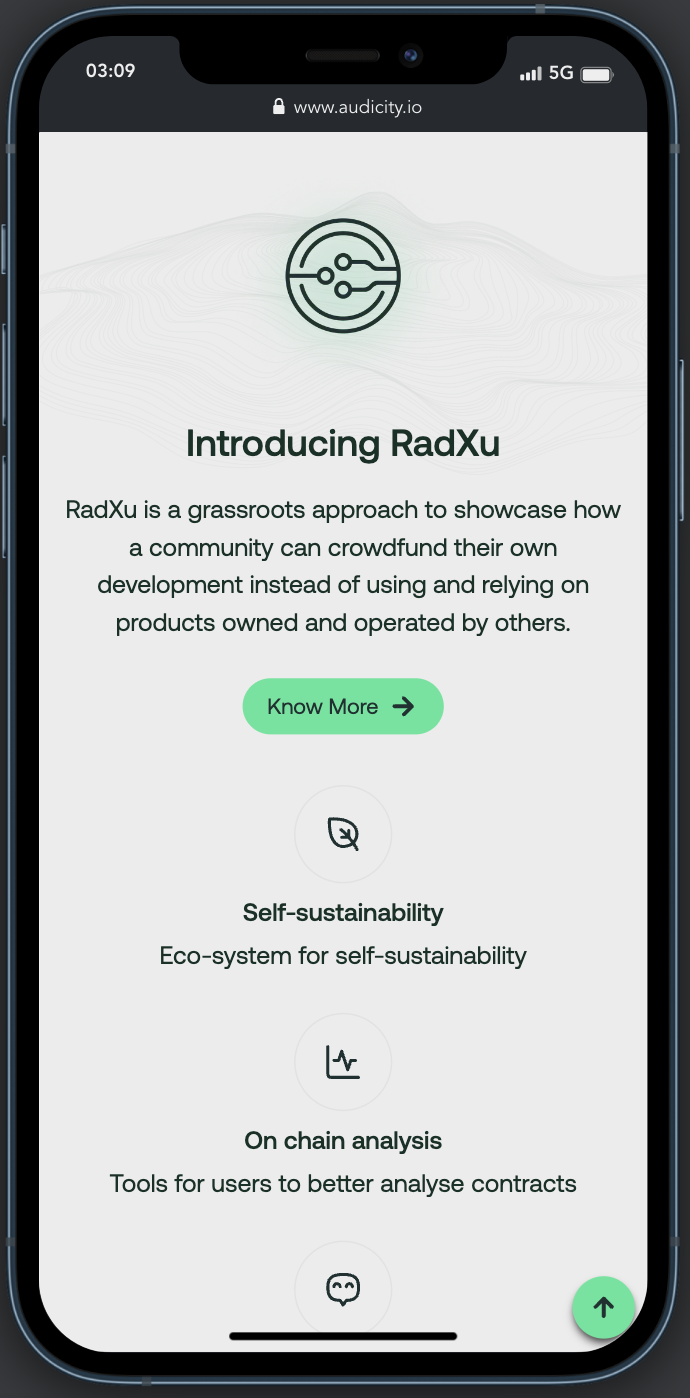
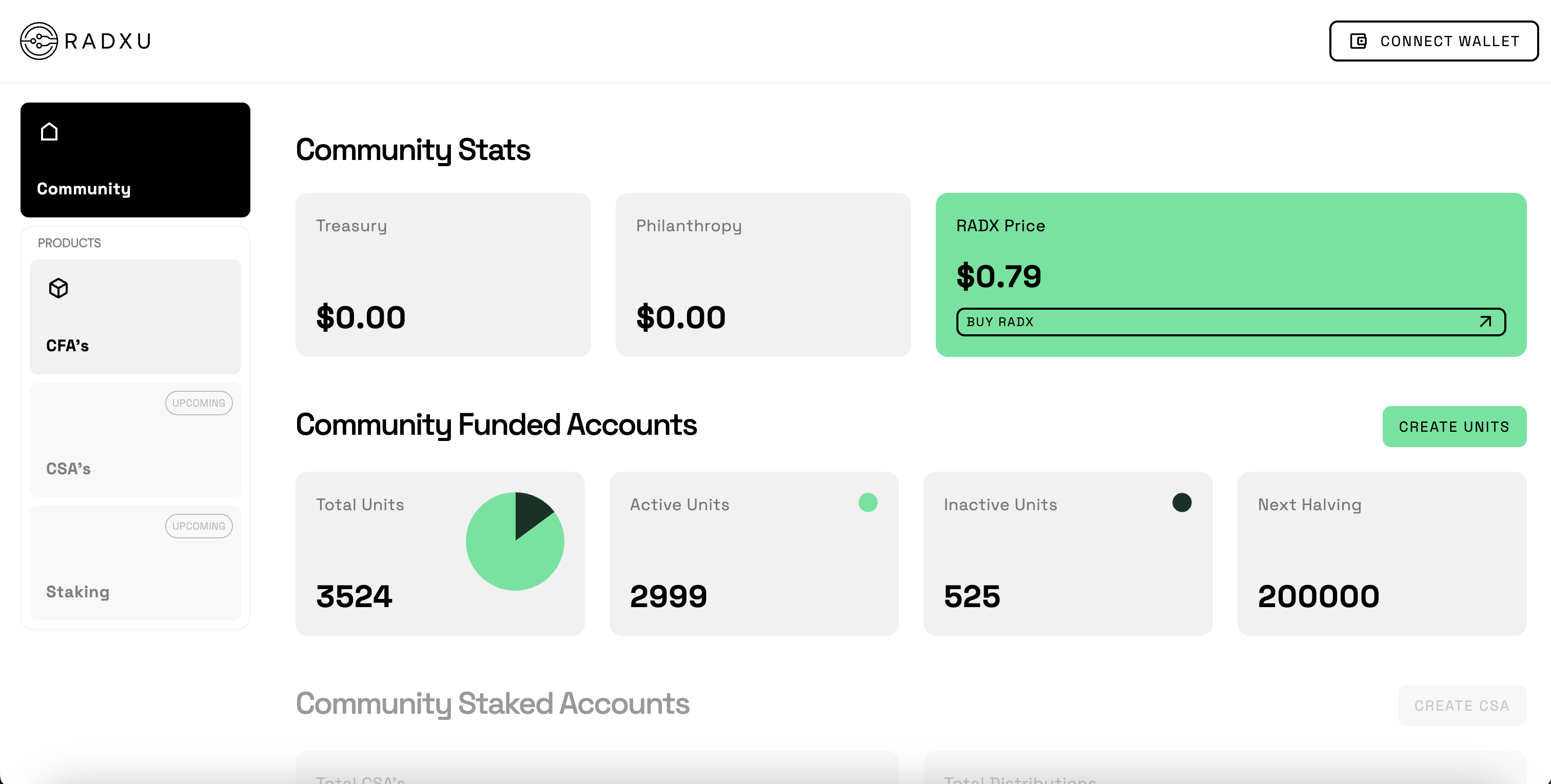
Radxu was the first project developed within the Audicity ecosystem and was built on the Avalanche network. It was structured as a community-driven foundation designed to fund the development of Web3 products. The platform offered several financial products: two mechanisms intended to help bootstrap and sustain the Radxu ecosystem itself, and a third product (CSAs) designed to fund external projects.
In practice, the project ultimately failed to deliver the expected products or financial returns to its community. As a result, Radxu was discontinued, and many participants incurred significant losses.
Technology Stack
Section titled “Technology Stack”Blockchain / Smart Contracts
Section titled “Blockchain / Smart Contracts”- Avalanche
- Solidity
- Foundry
- Hardhat
- OpenZeppelin
Frontend
Section titled “Frontend”- Next.js
- React
- TypeScript
- TailwindCSS
- DaisyUI
- Wagmi
- Viem
- Custom state management library
Backend & Services
Section titled “Backend & Services”- Sanity (content management)
- Sentry (error tracking)
Infrastructure & DevOps
Section titled “Infrastructure & DevOps”- Vercel
- GitHub
- GitHub Actions (CI/CD)
System Architecture
Section titled “System Architecture”Architecture Approach
Section titled “Architecture Approach”Given the small team and limited resources, the system architecture was deliberately simple, prioritizing rapid delivery while keeping the codebase maintainable for a two developer team.
One developer focused primarily on smart contract development, while I was responsible for the web platform and user-facing systems.
Web Platforms
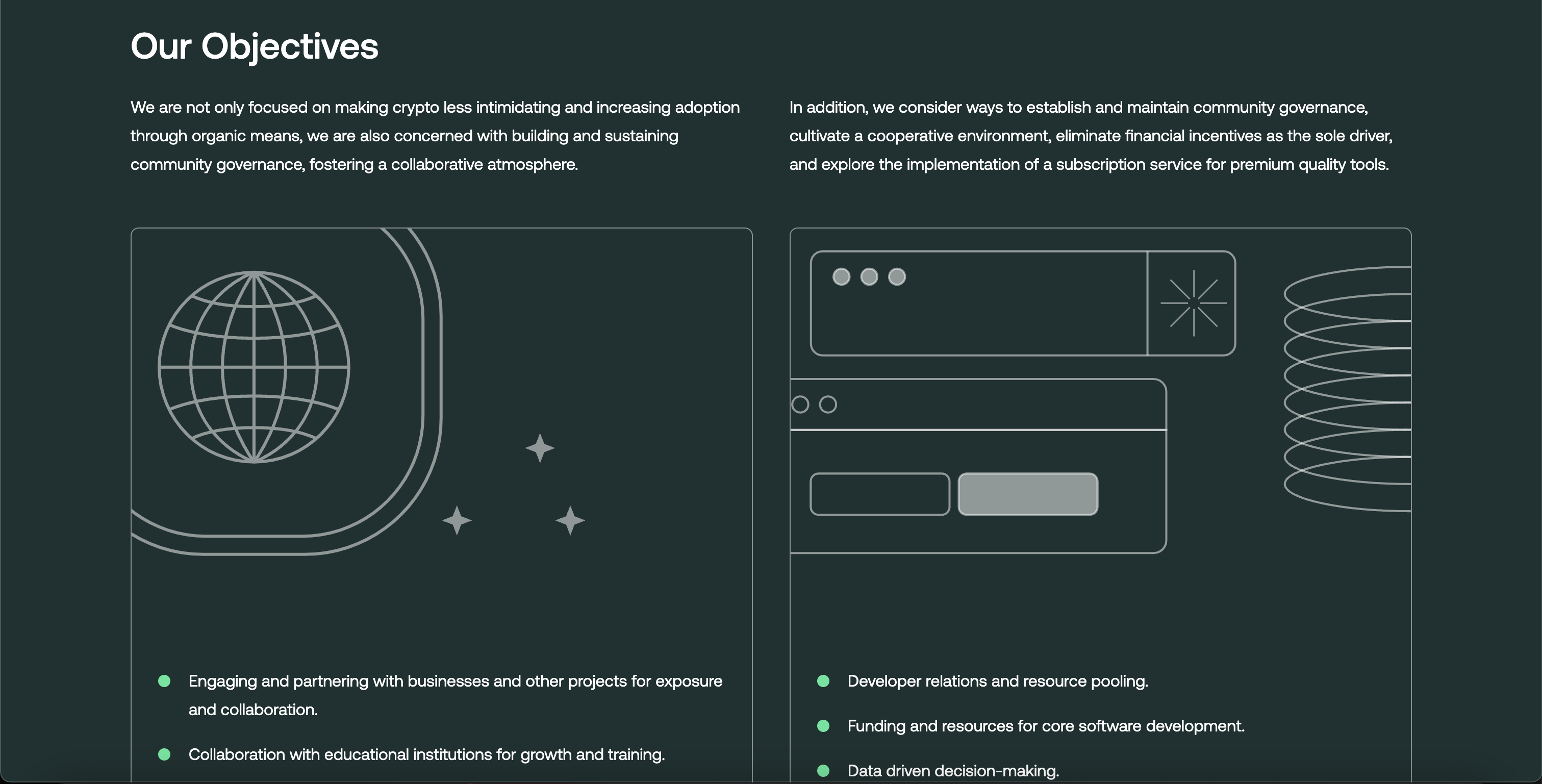
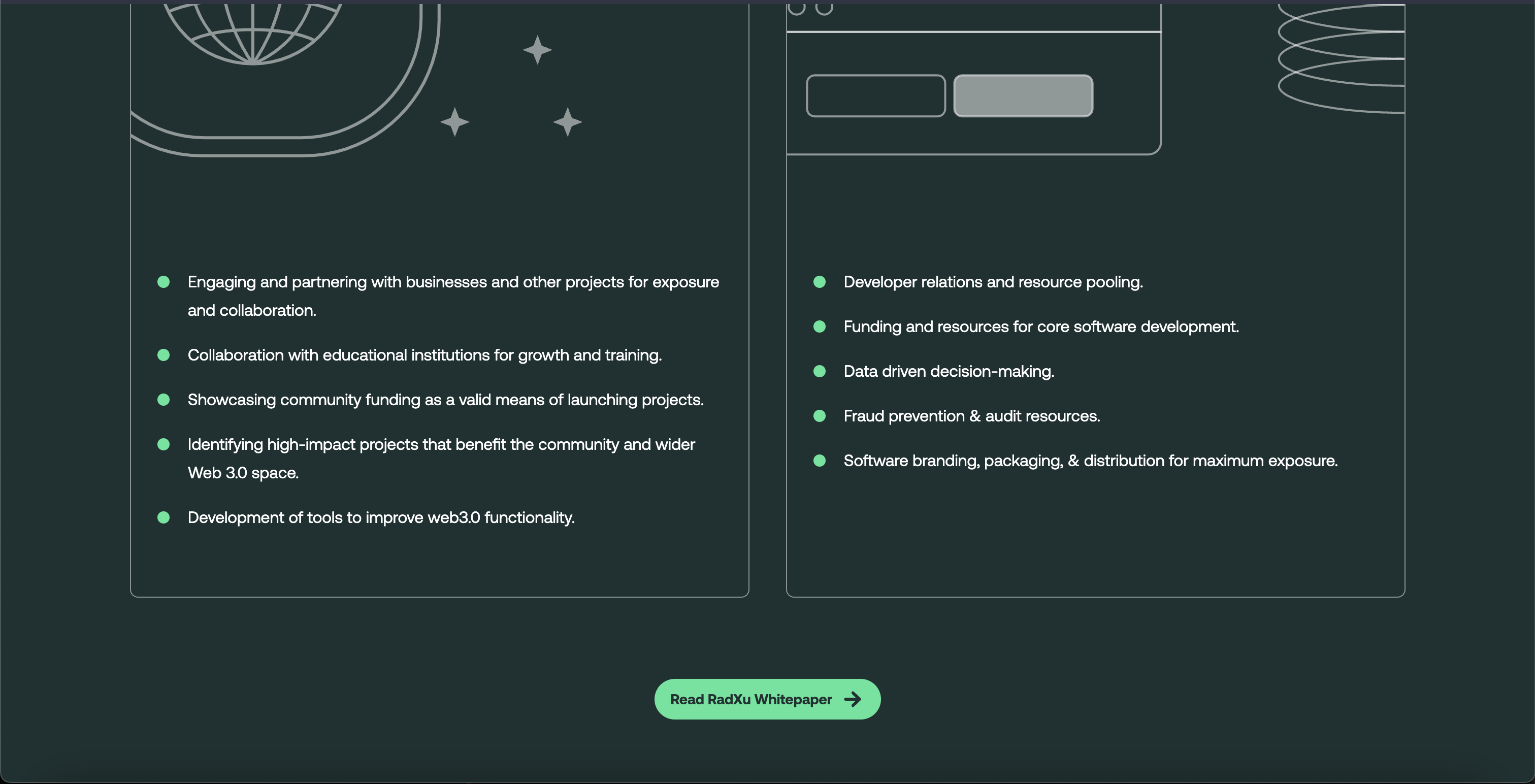
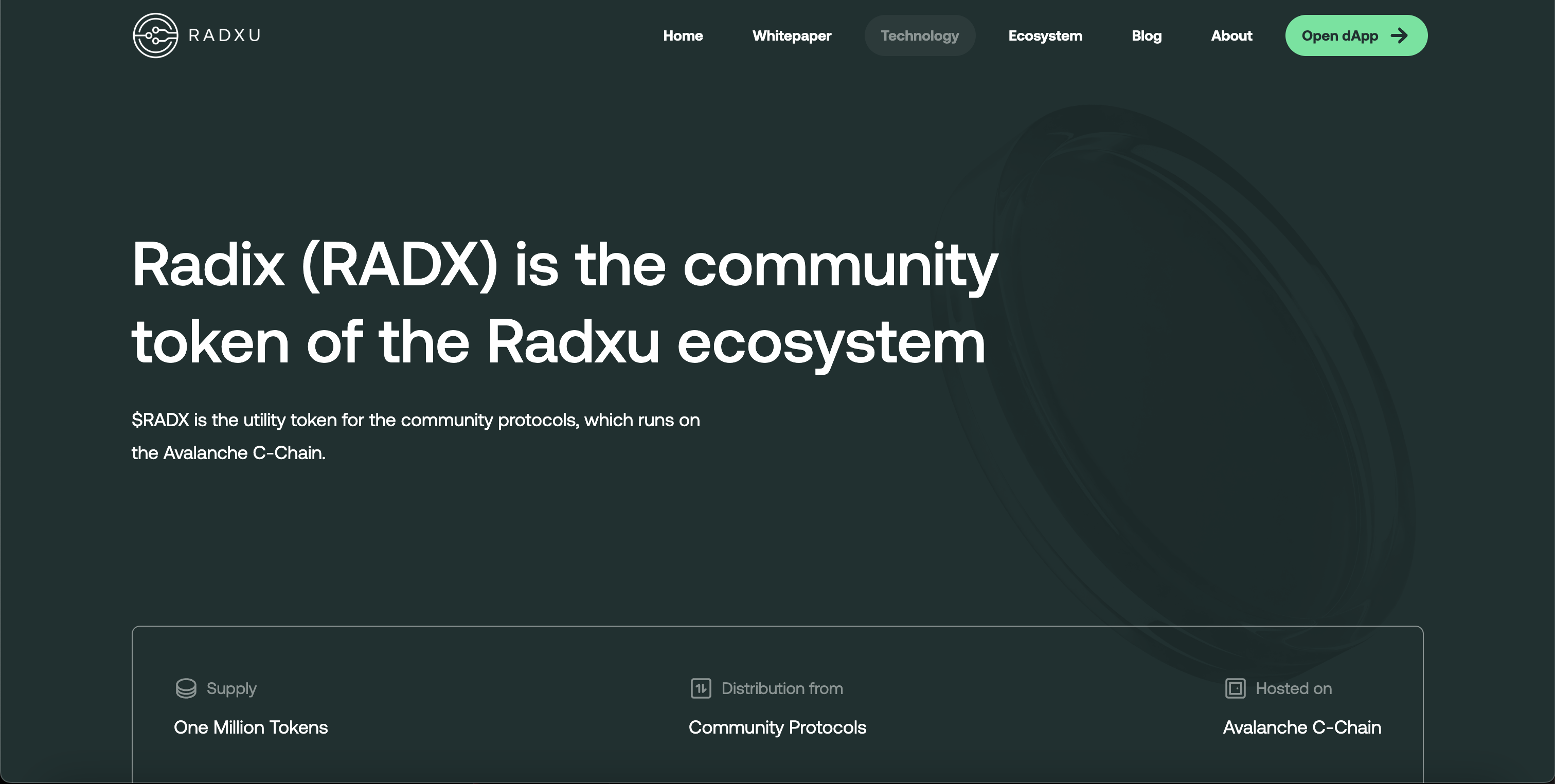
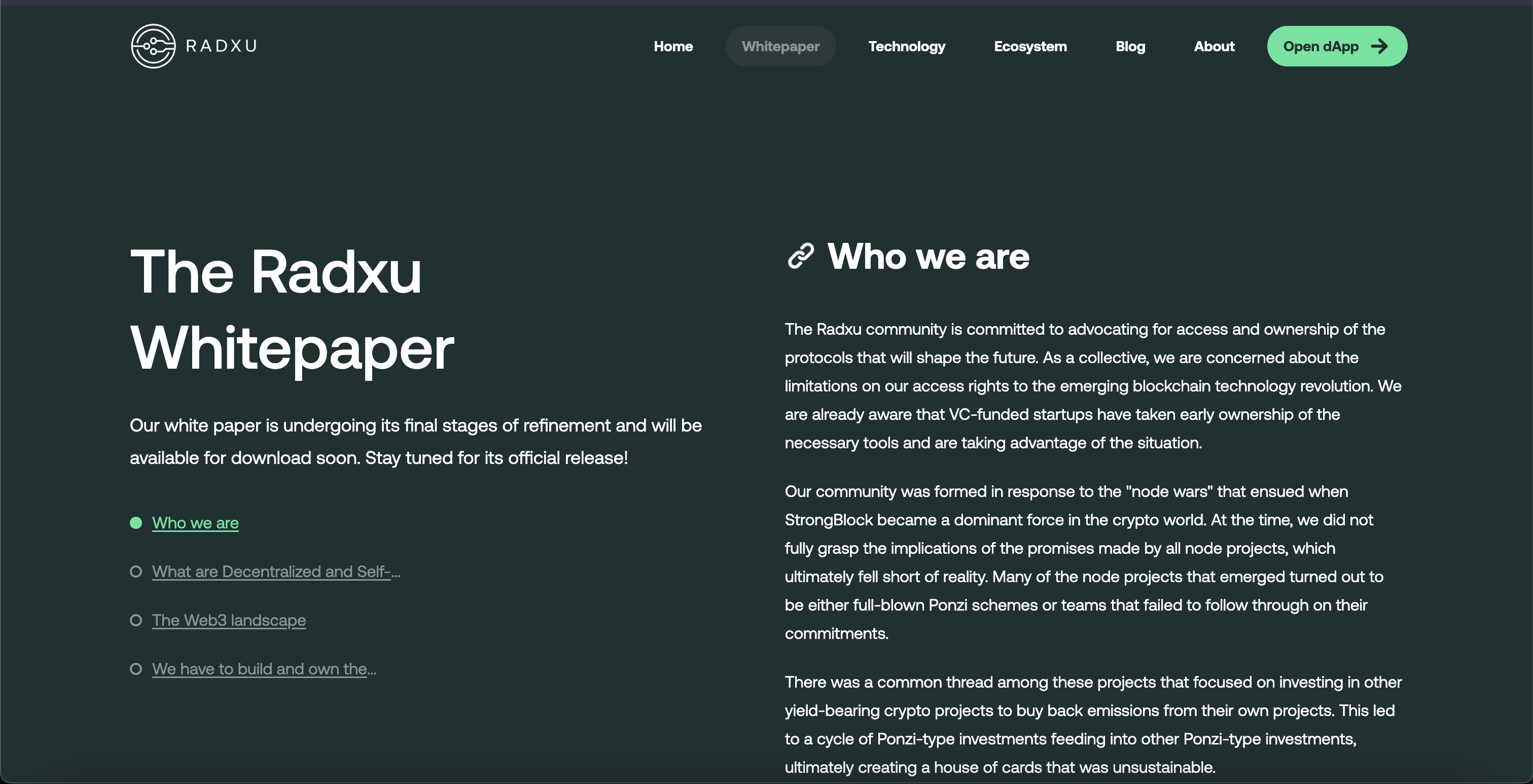
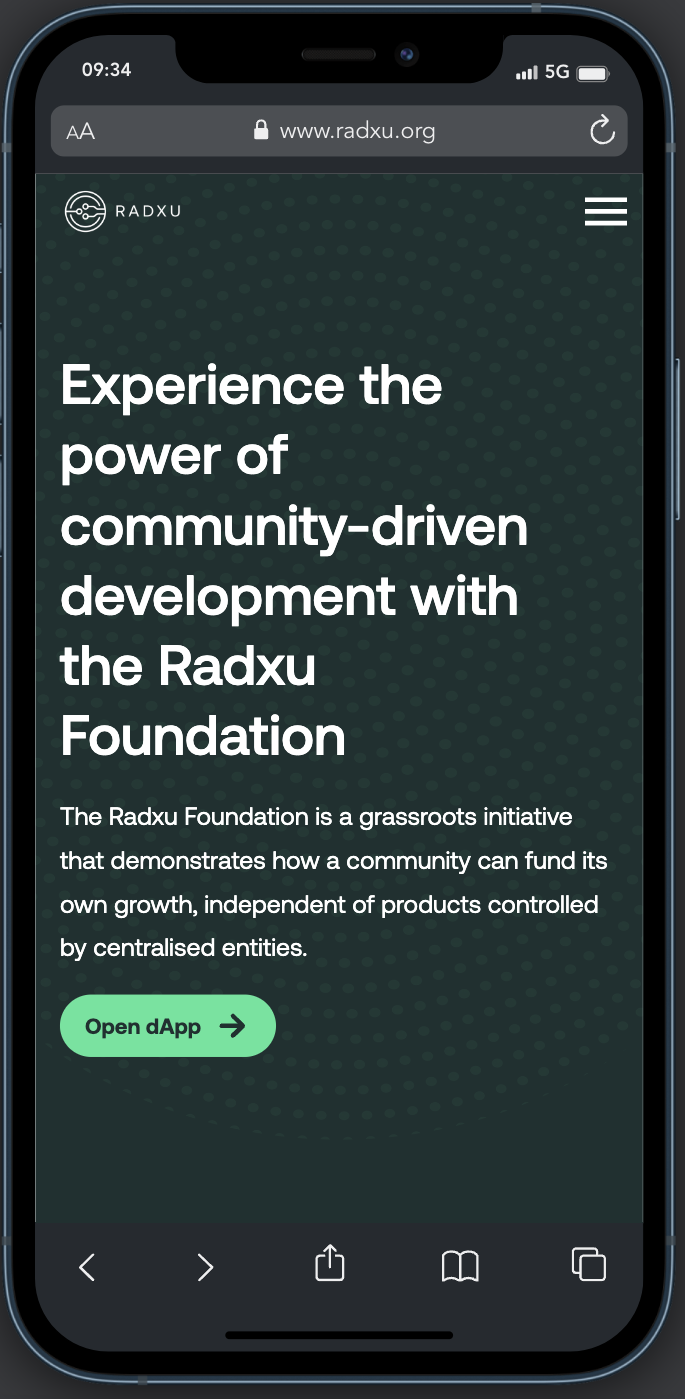
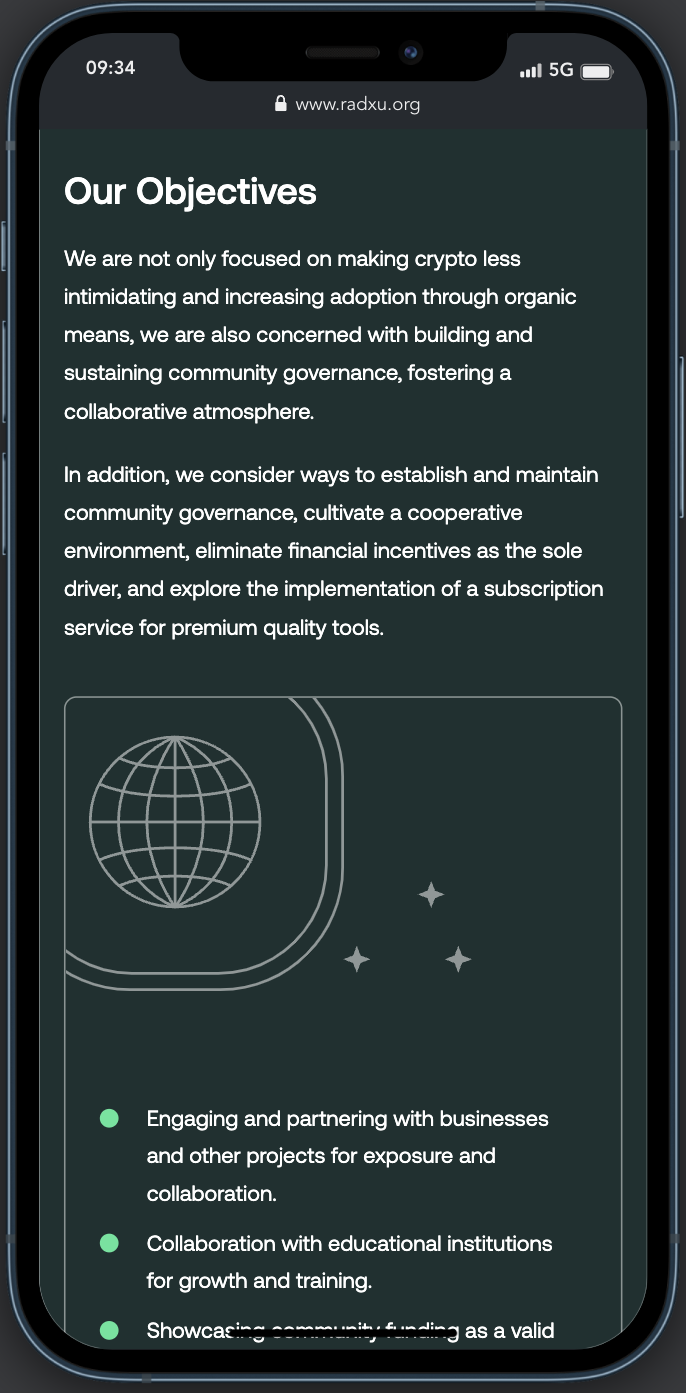
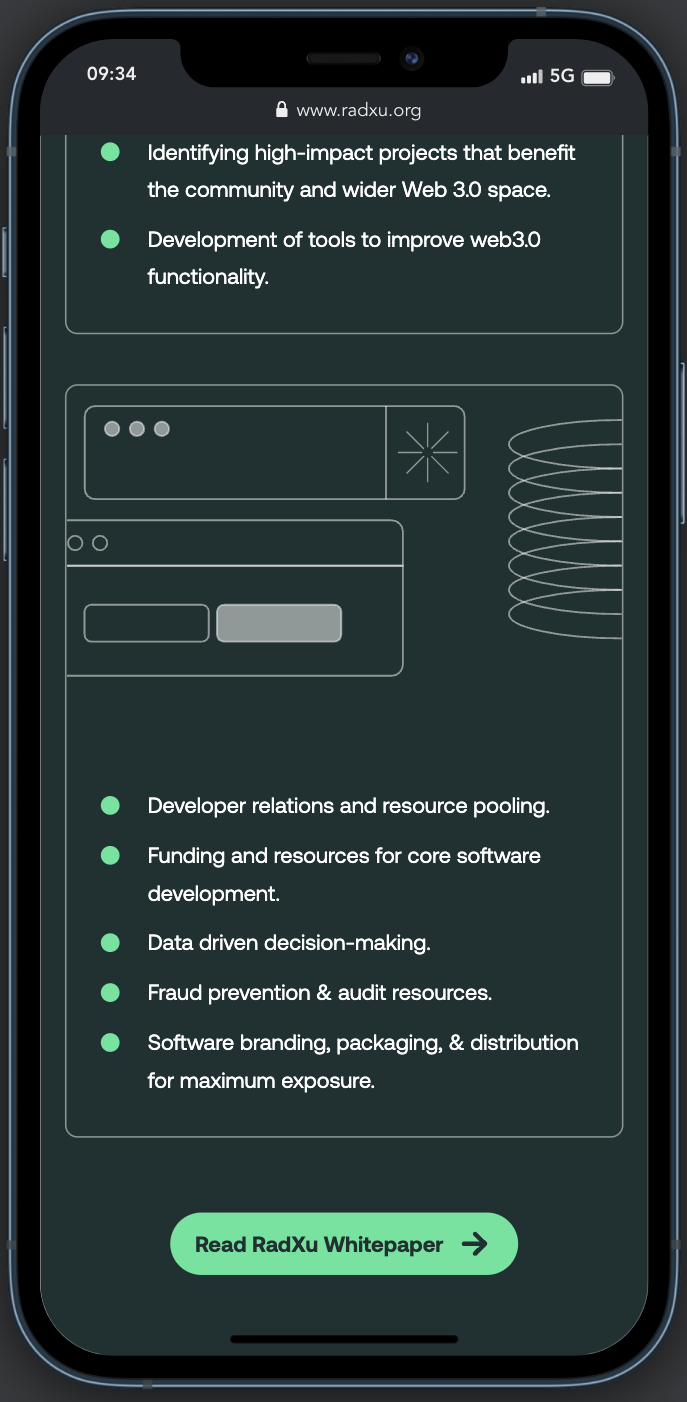
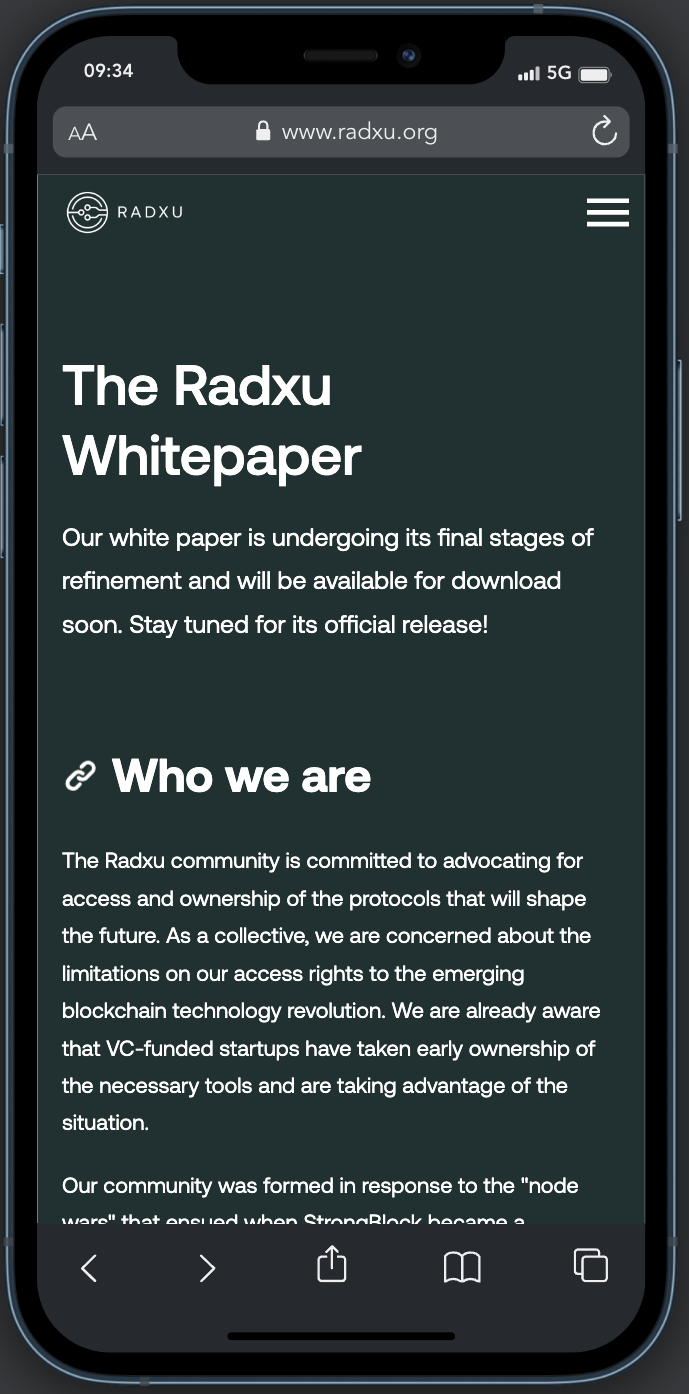
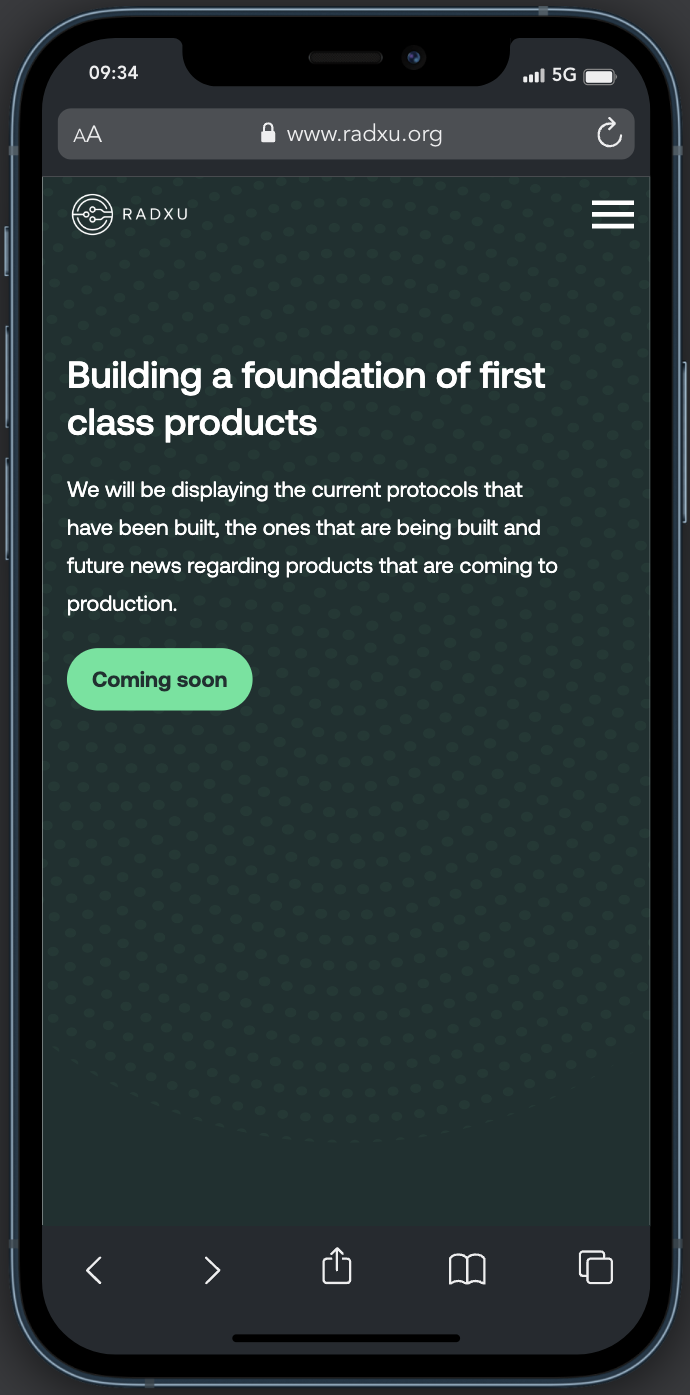
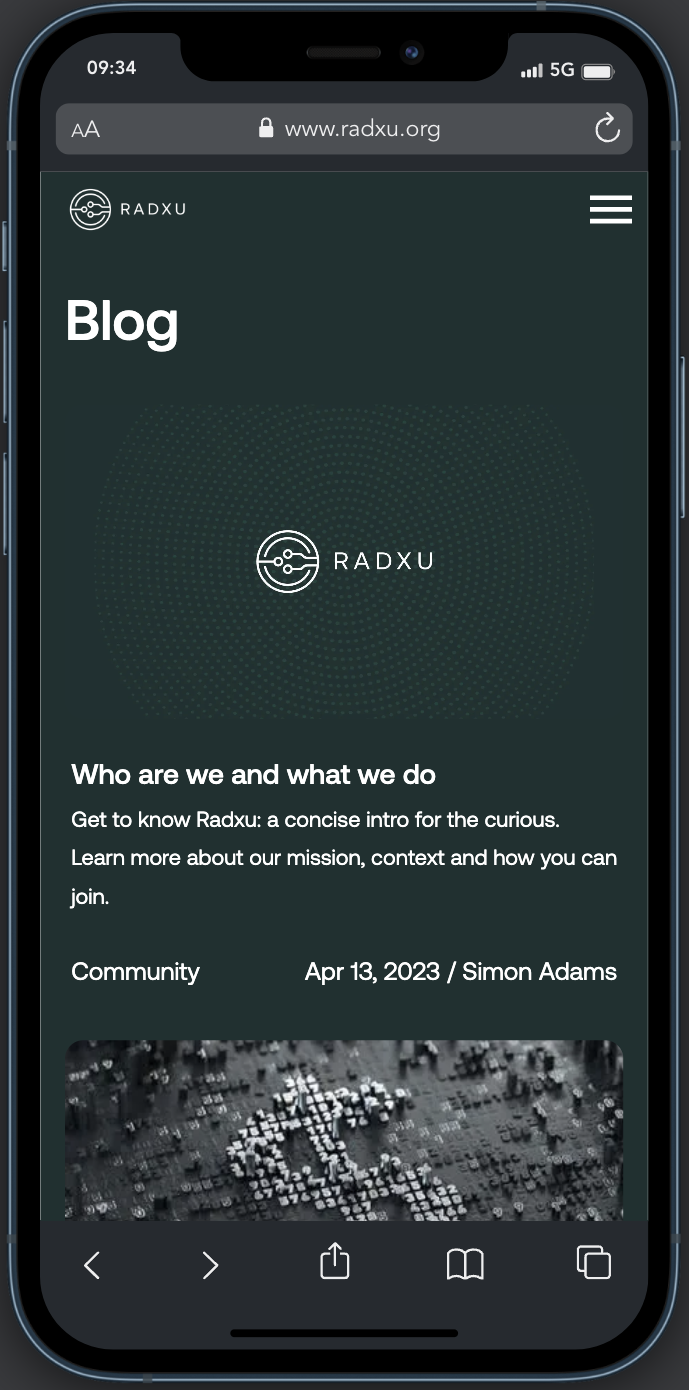
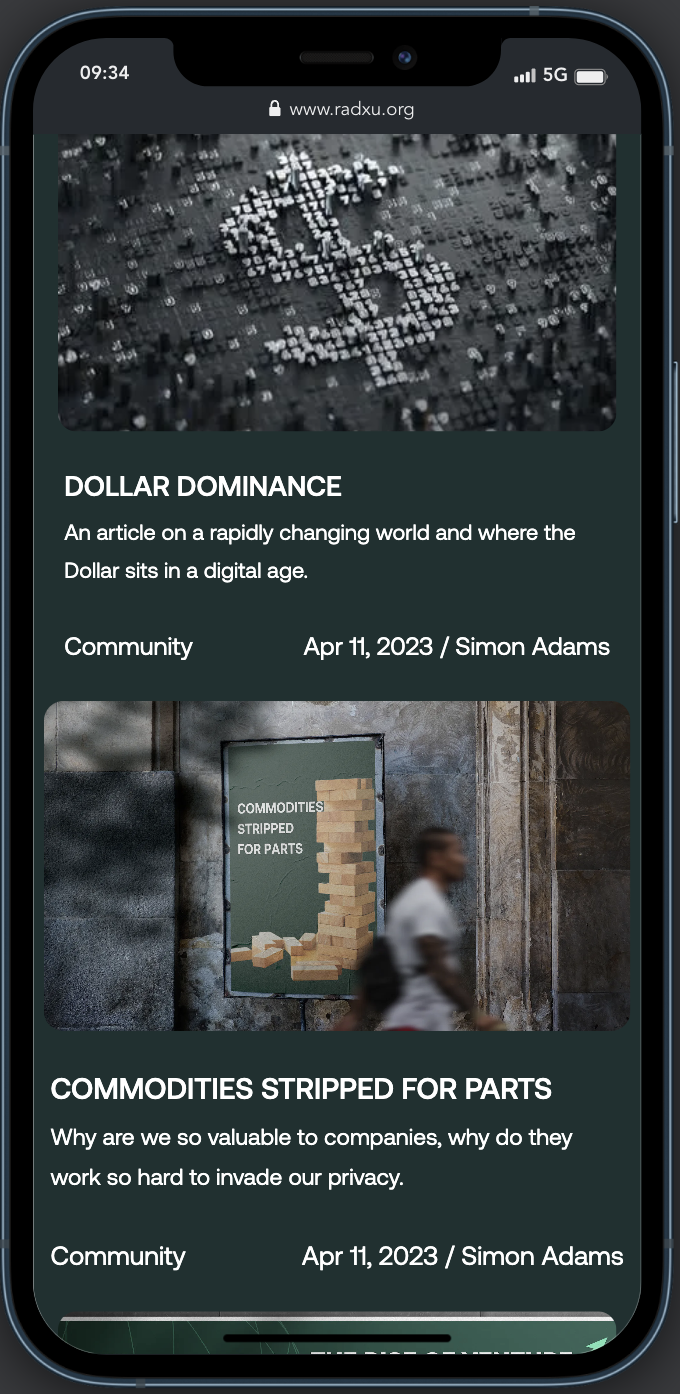
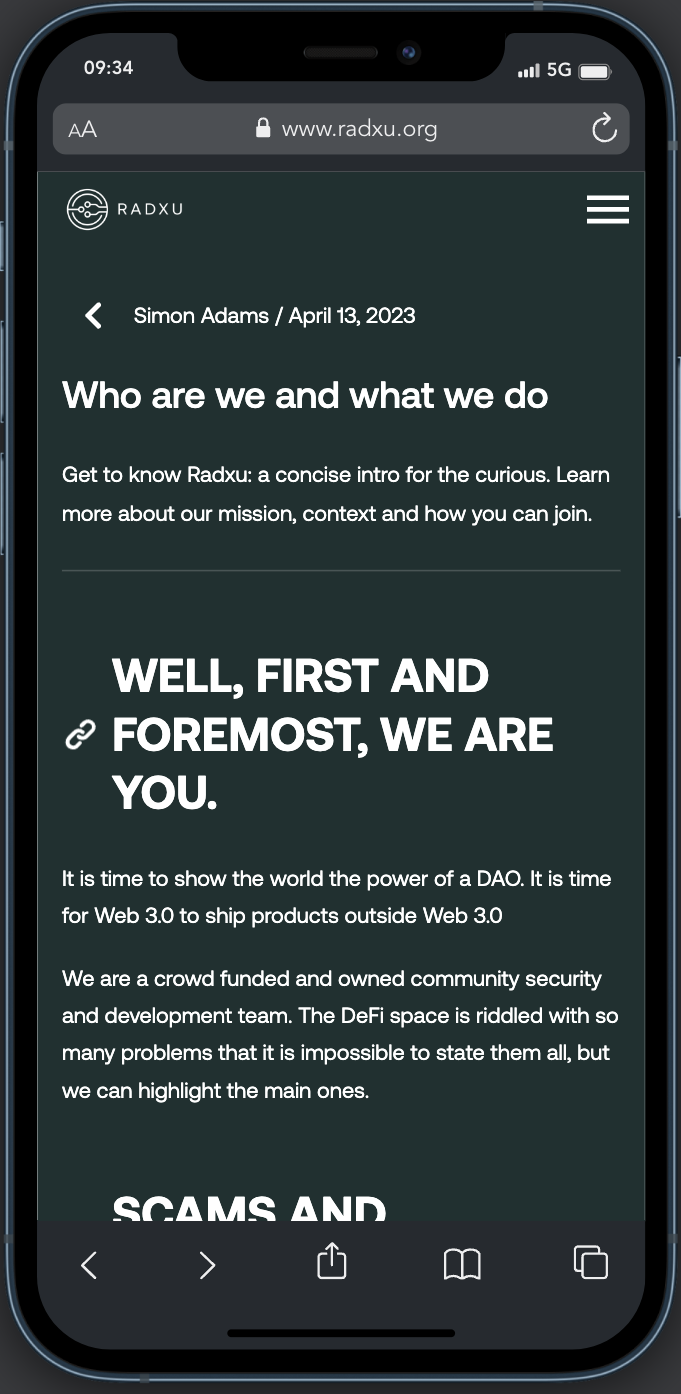
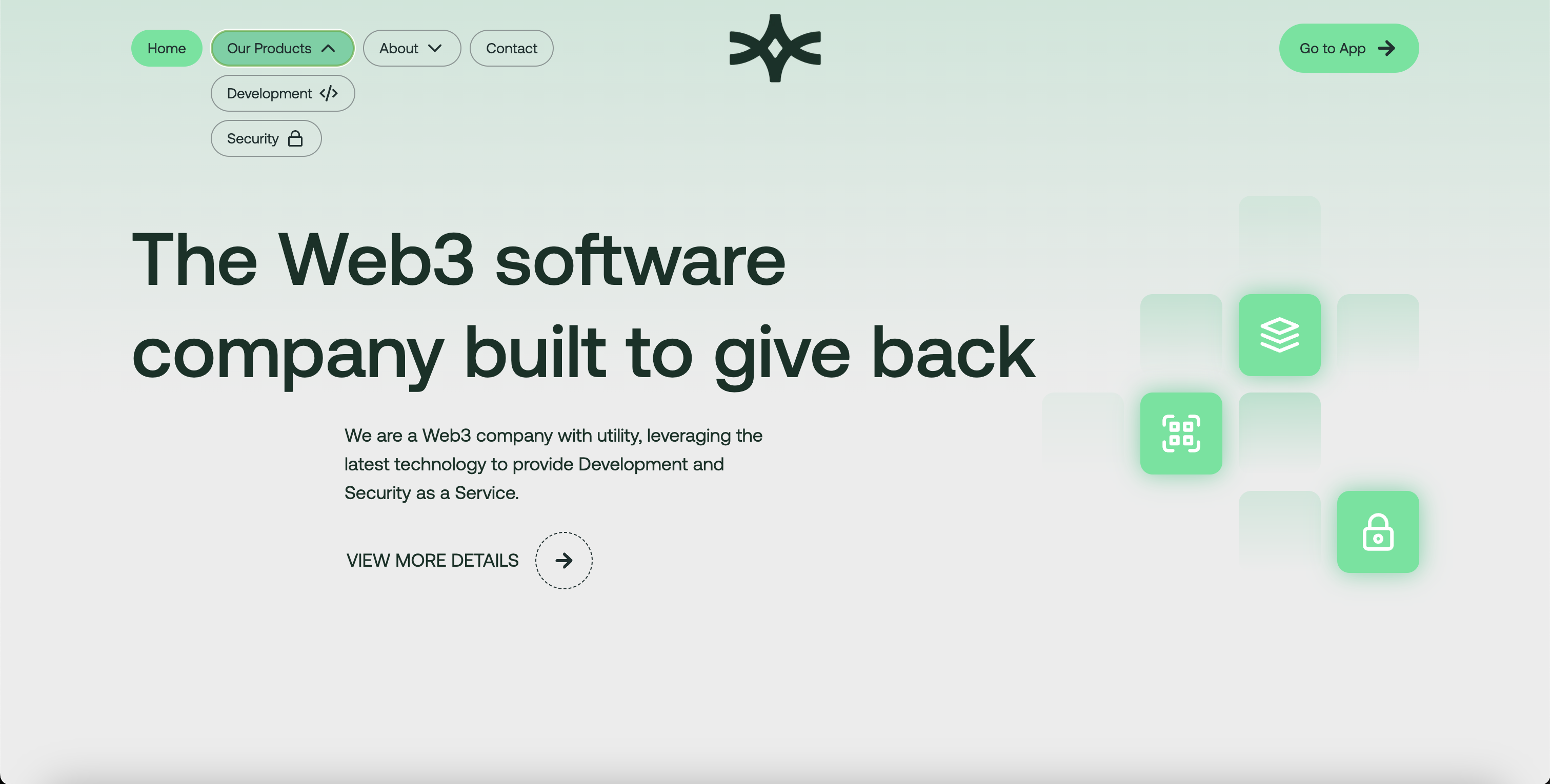
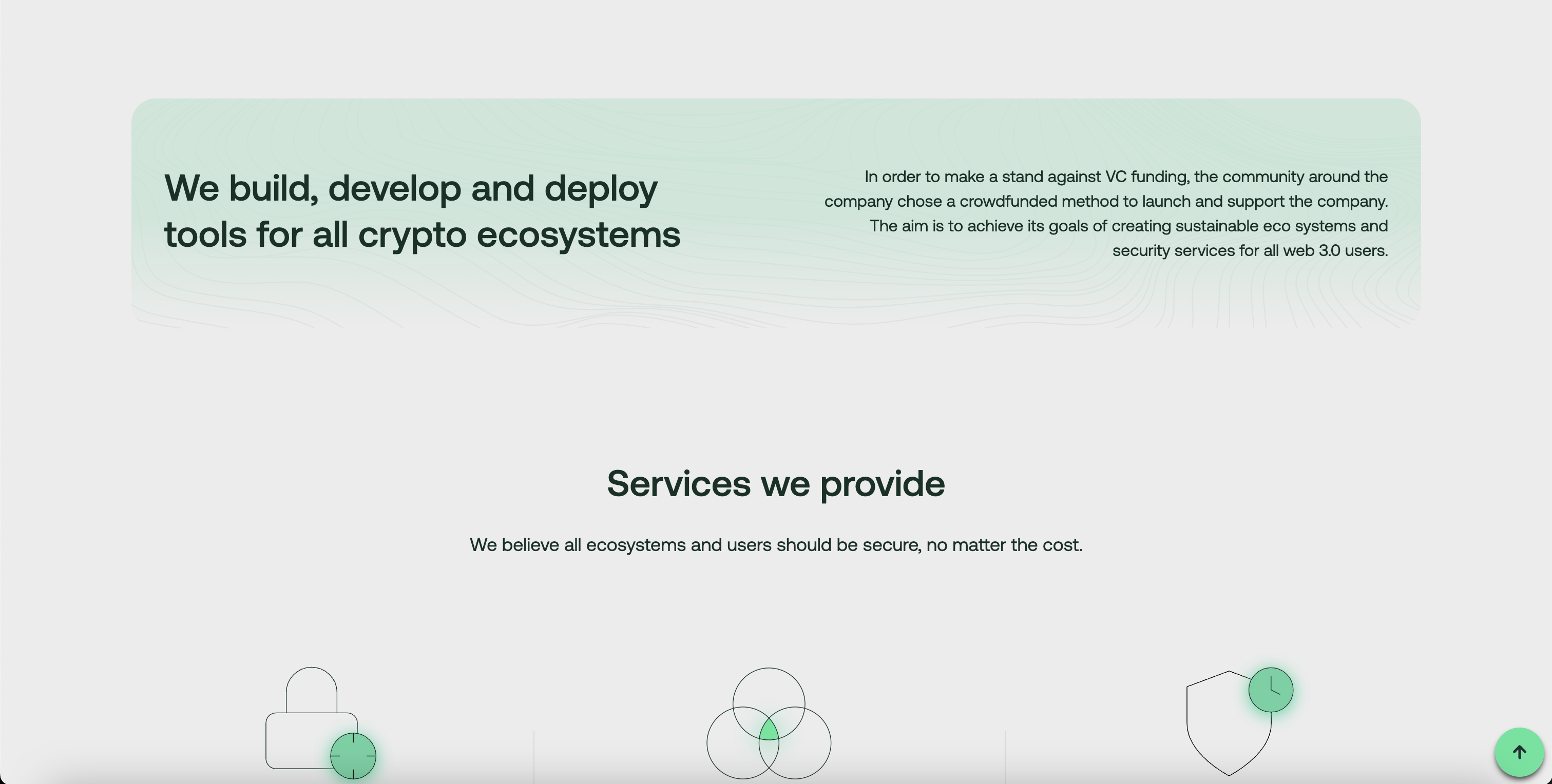
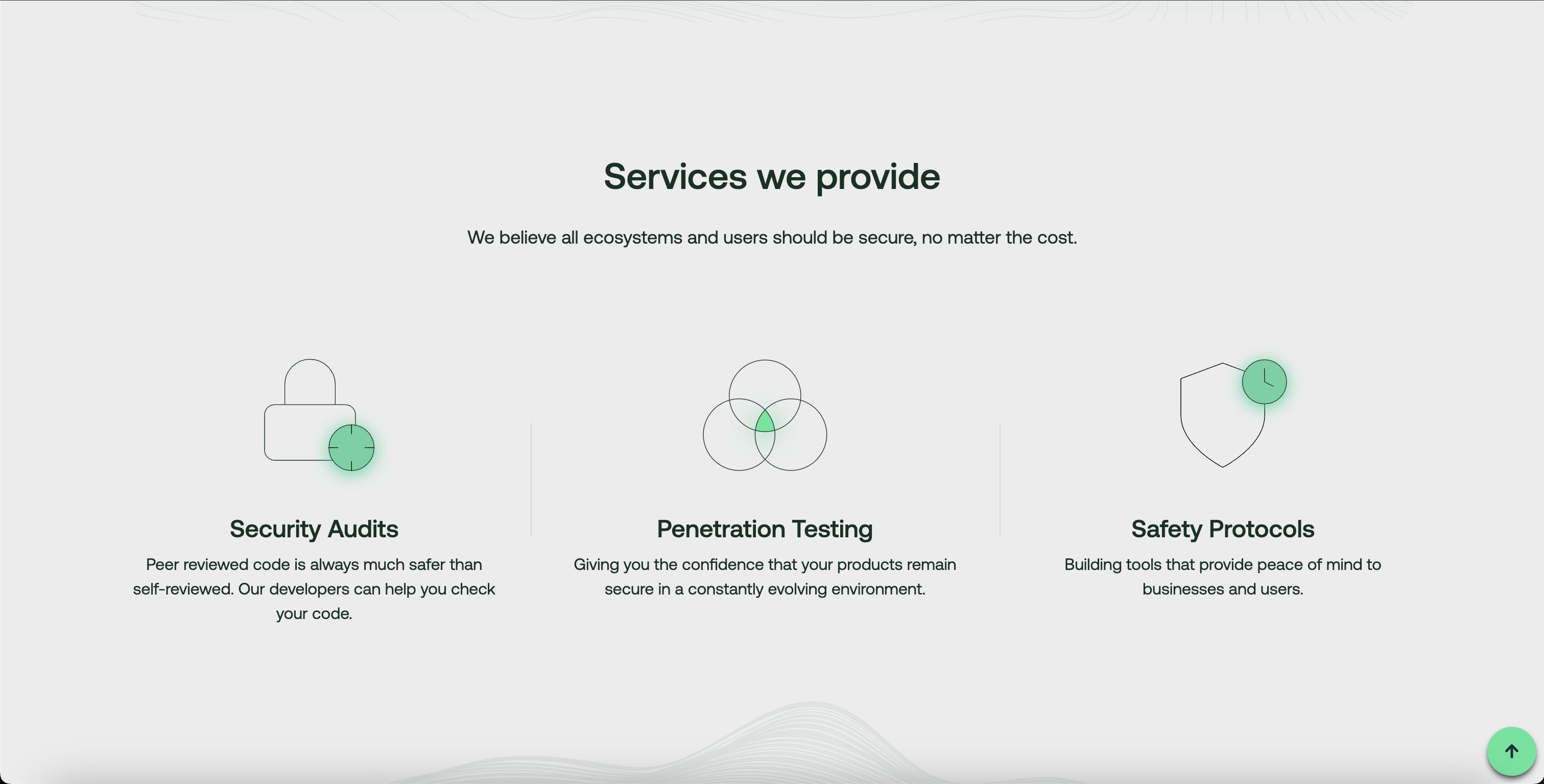
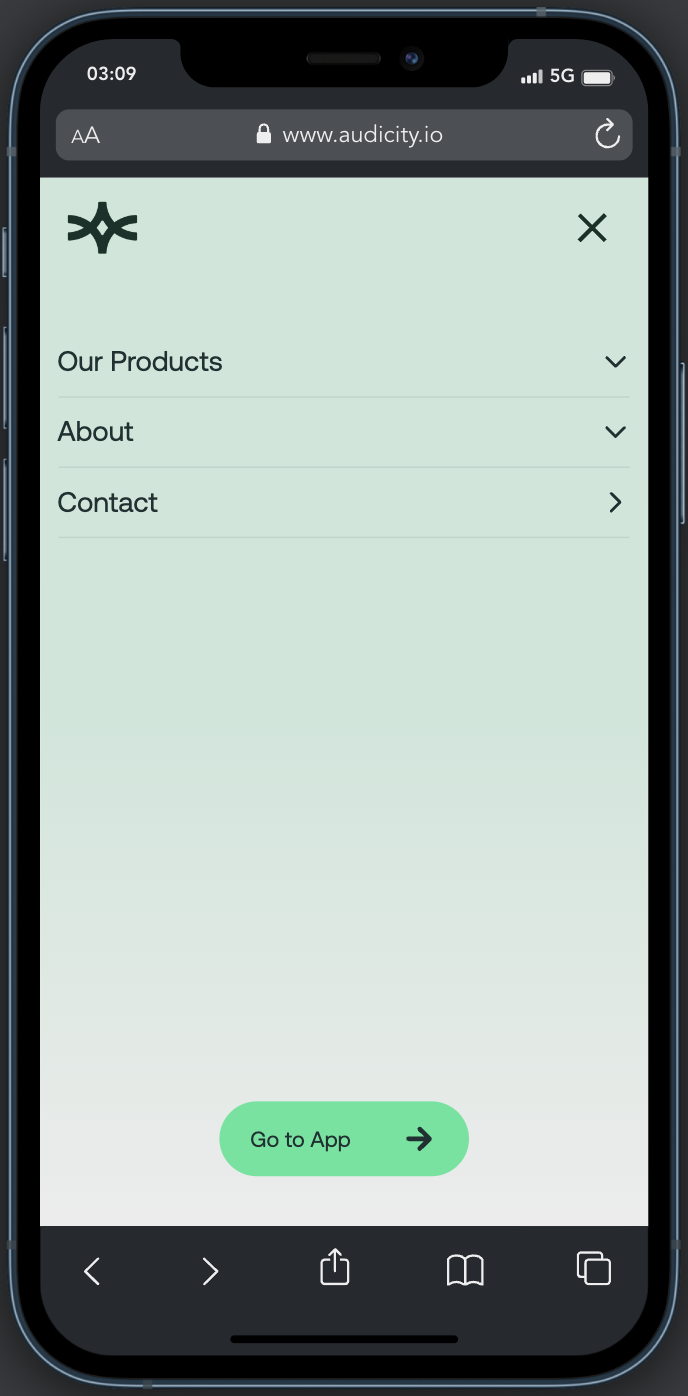
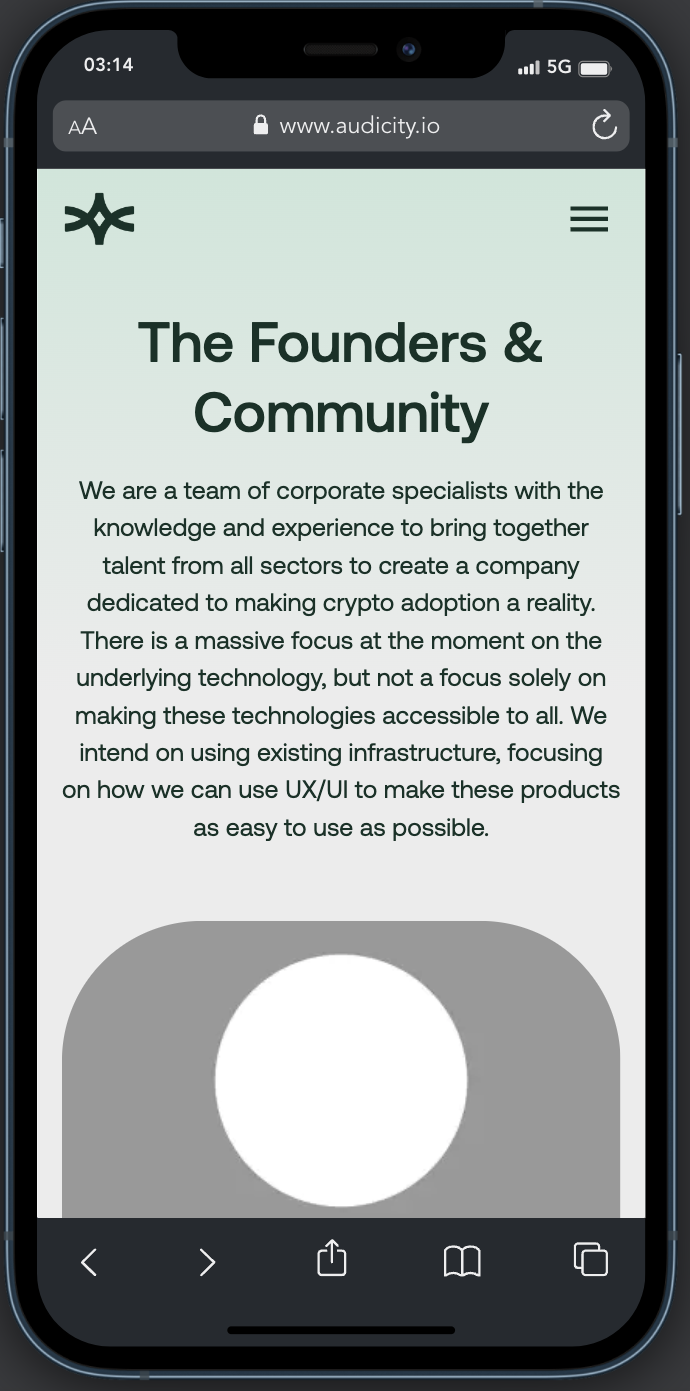
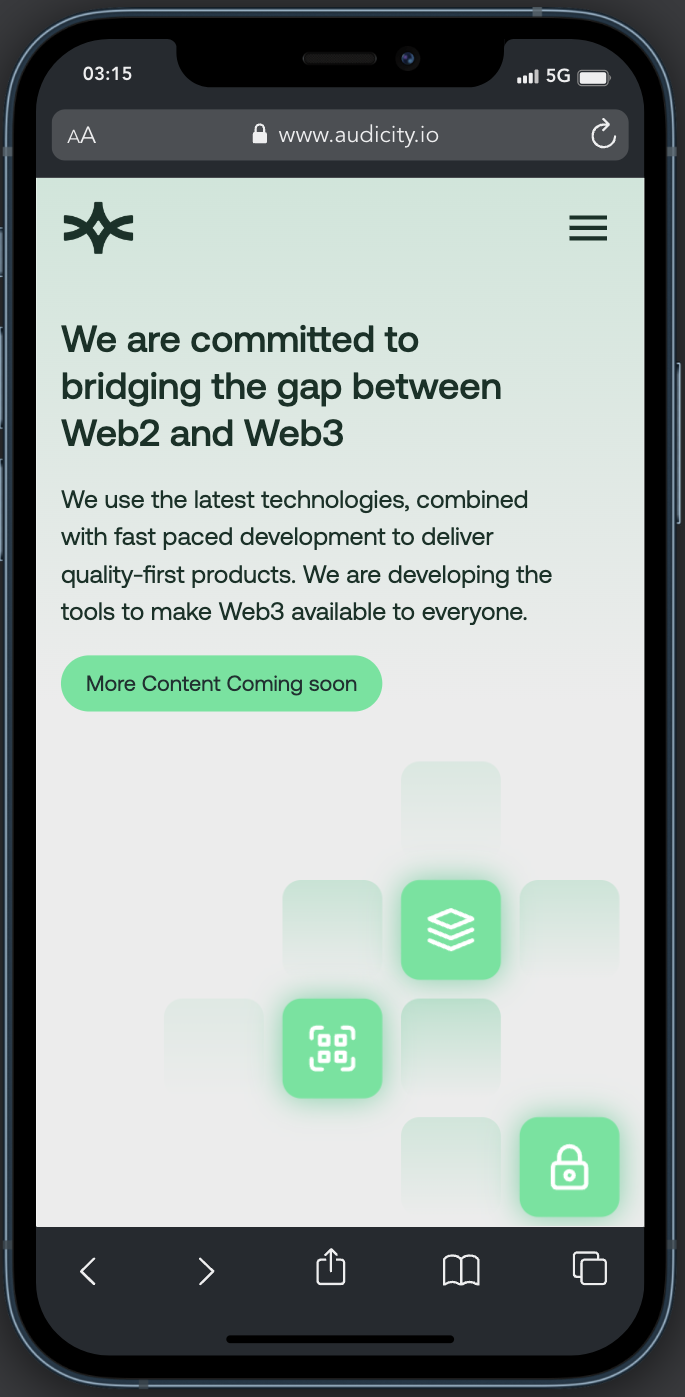
Section titled “Web Platforms”The Audicity and Radxu landing pages were implemented as static web applications connected to a headless CMS. This allowed the CEO and non-technical team members to update website content and manage blog posts without requiring developer support.
Sanity was integrated as the CMS to manage all website content, including marketing pages and blog entries.
flowchart LR

  subgraph Business
    Admin[Non-technical team members]
    CMS[Sanity CMS]
  end

  User[Website visitors]
  Web[Website ]

  Admin --> CMS
  CMS --> Web
  User --> Web
Radxu Application
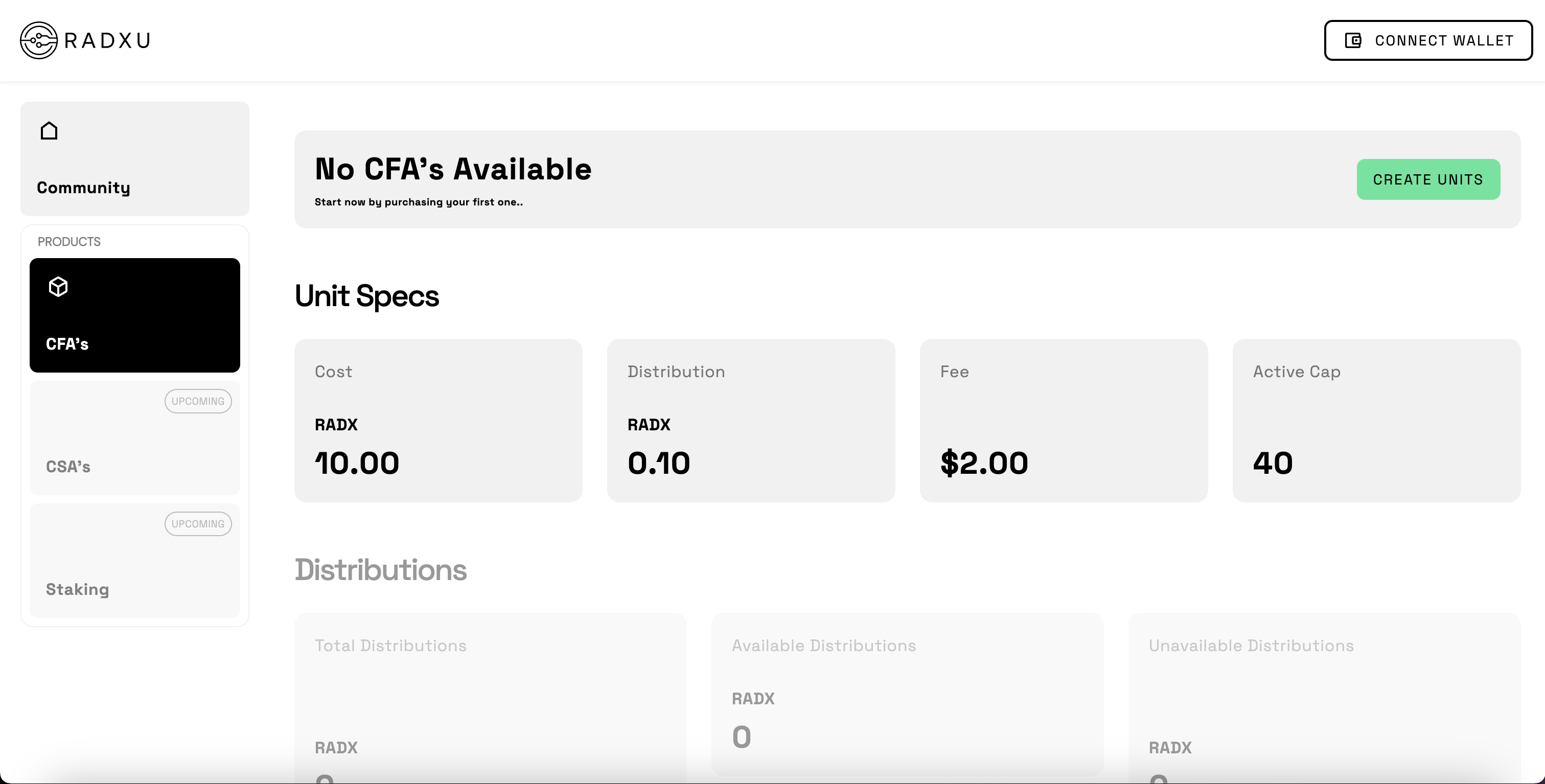
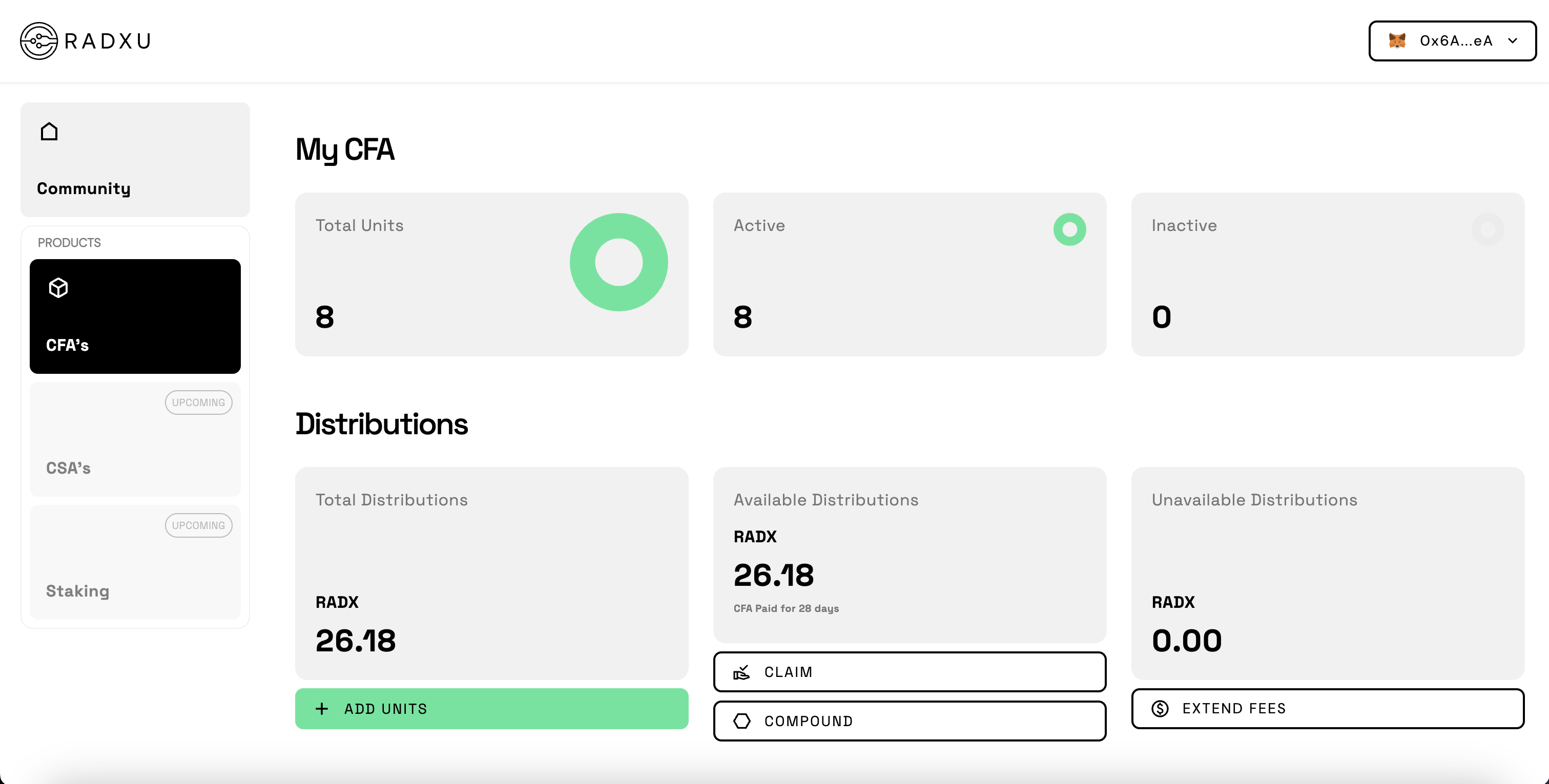
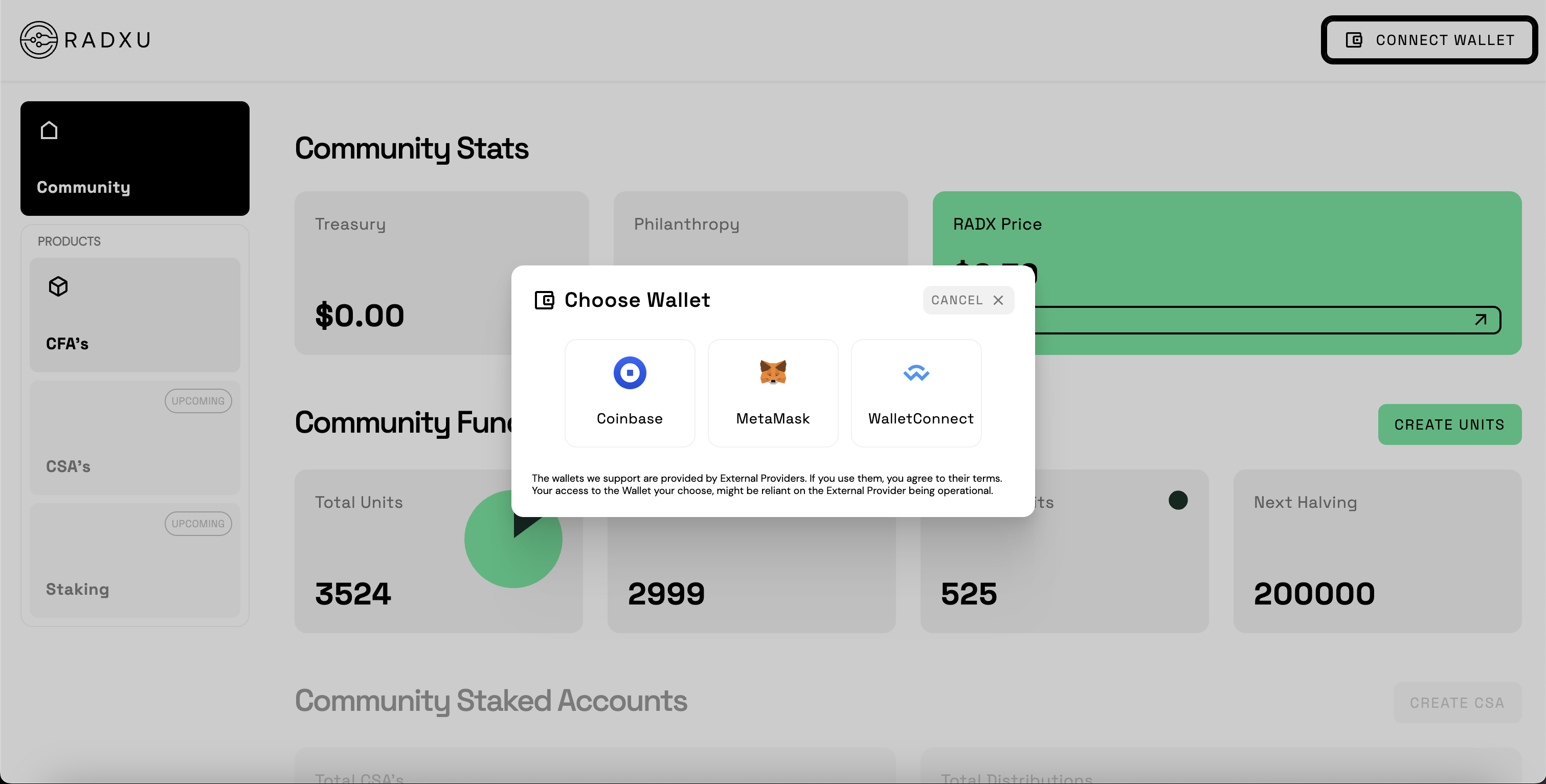
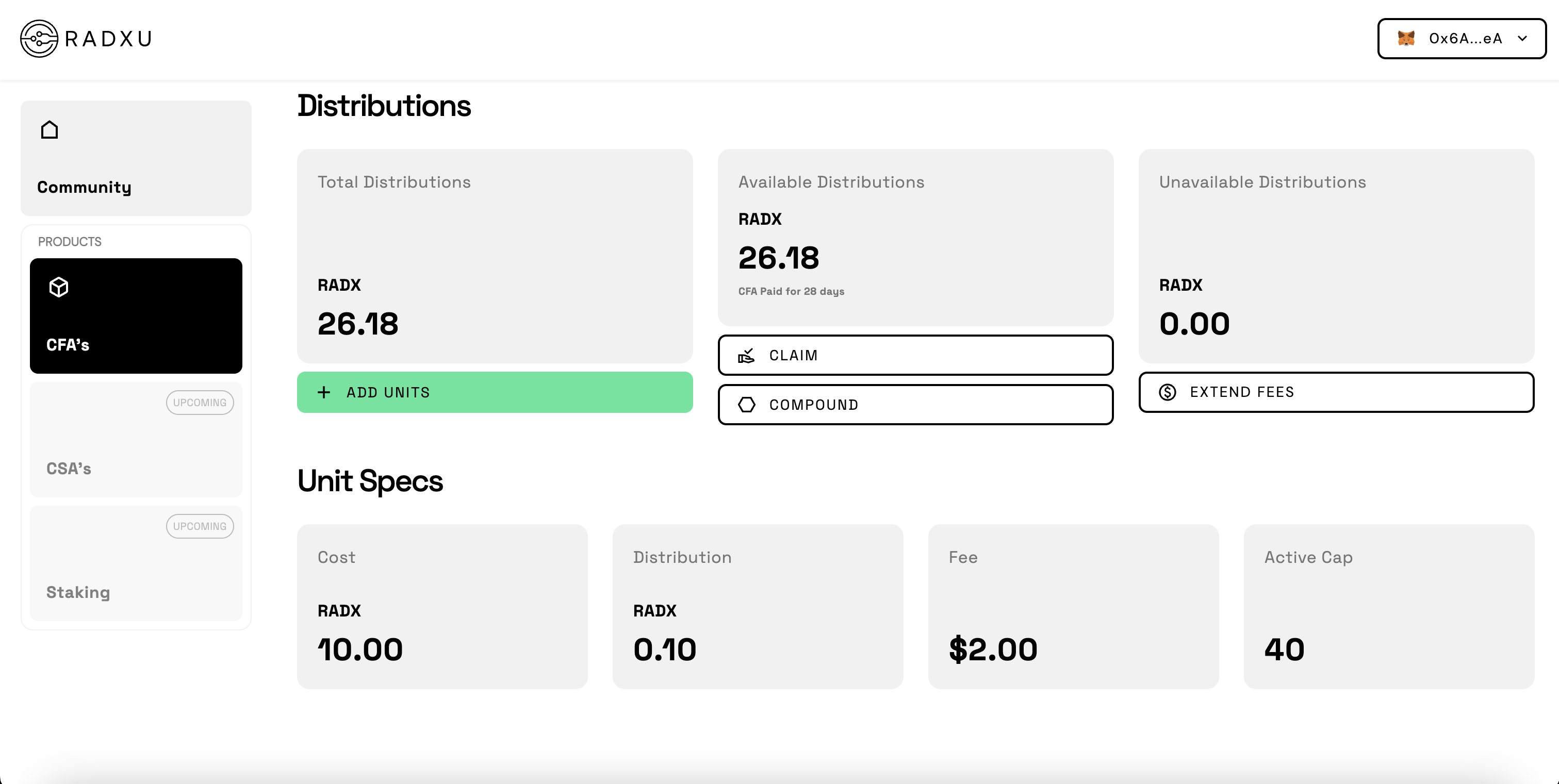
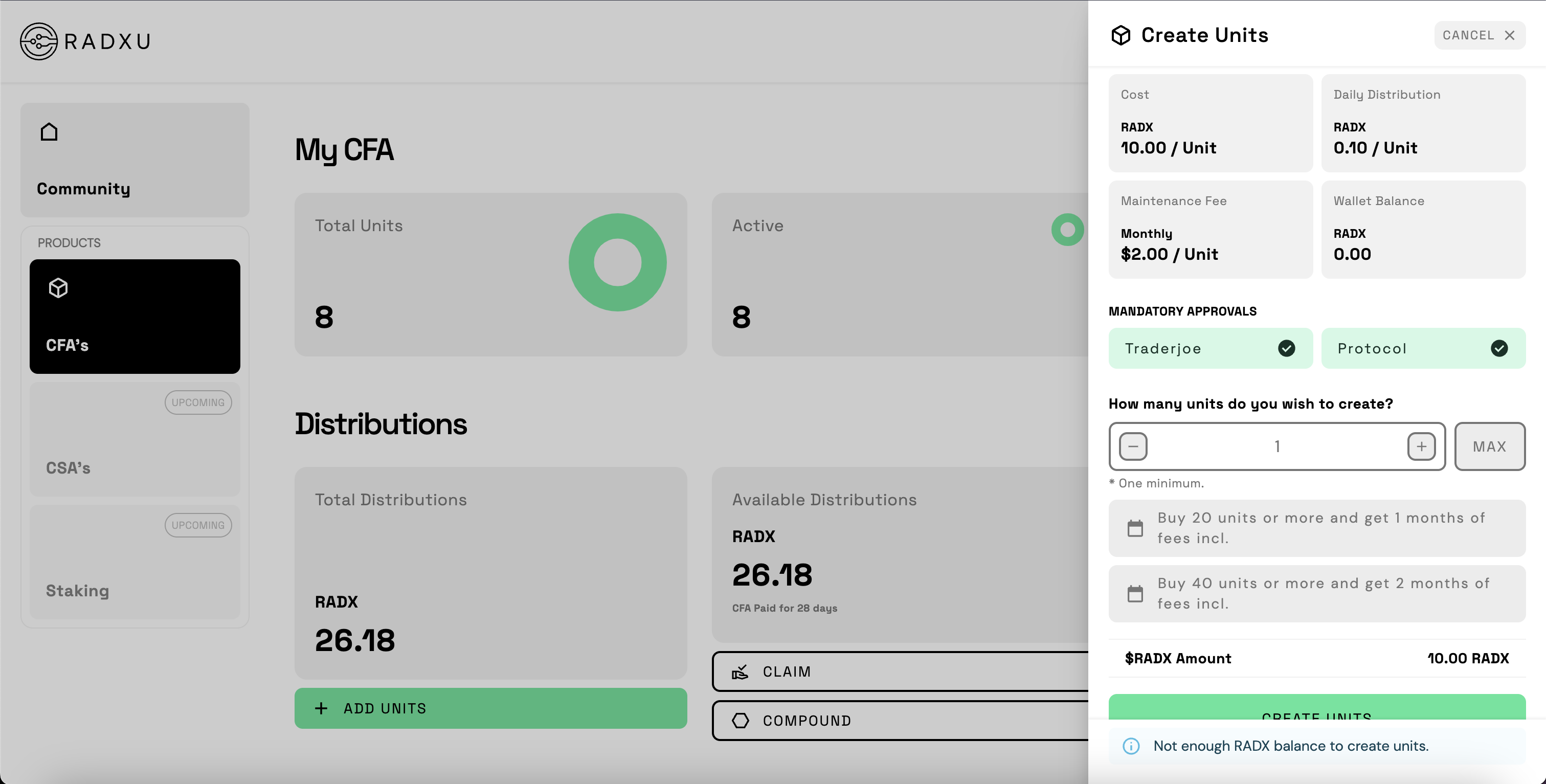
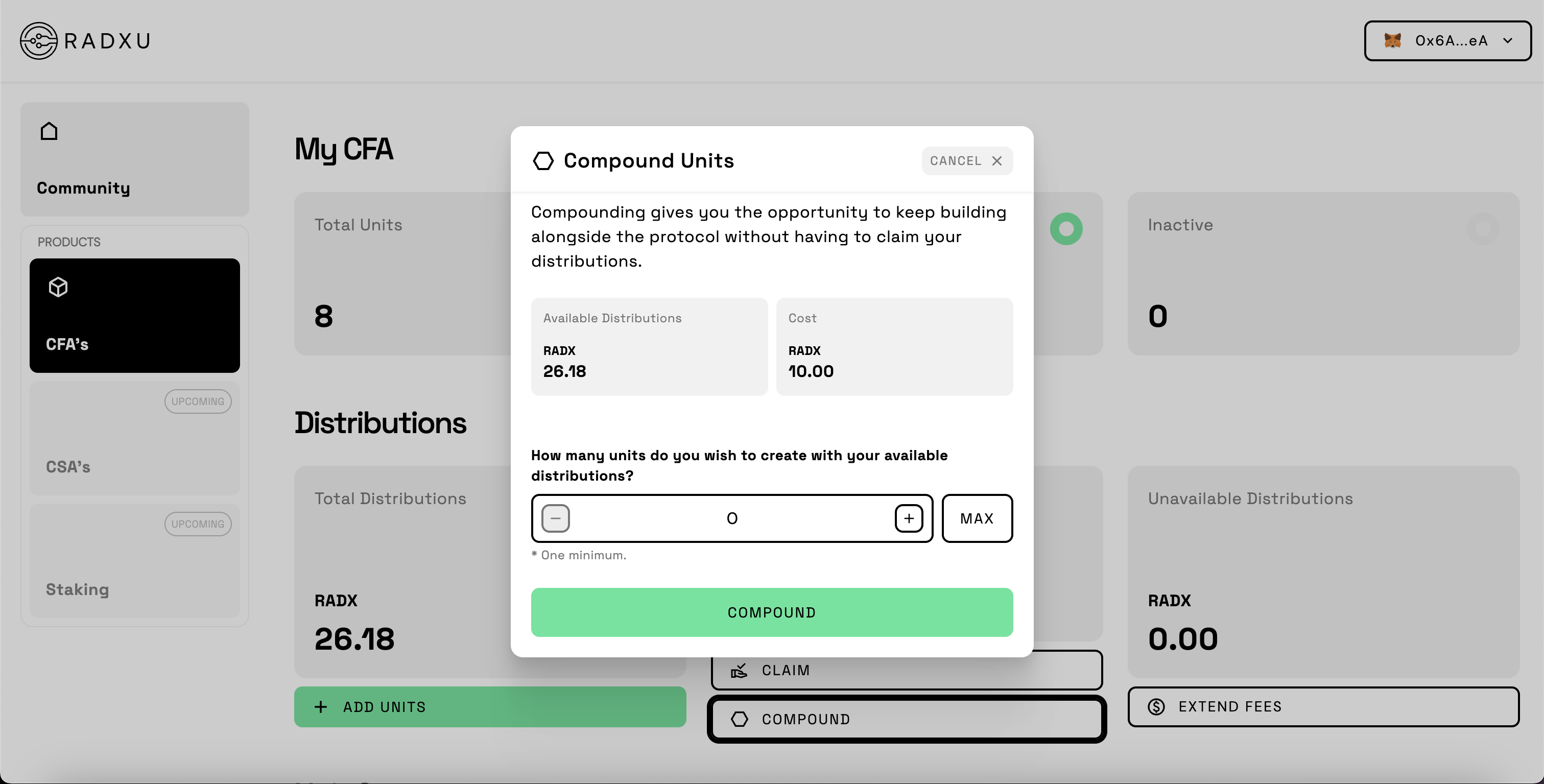
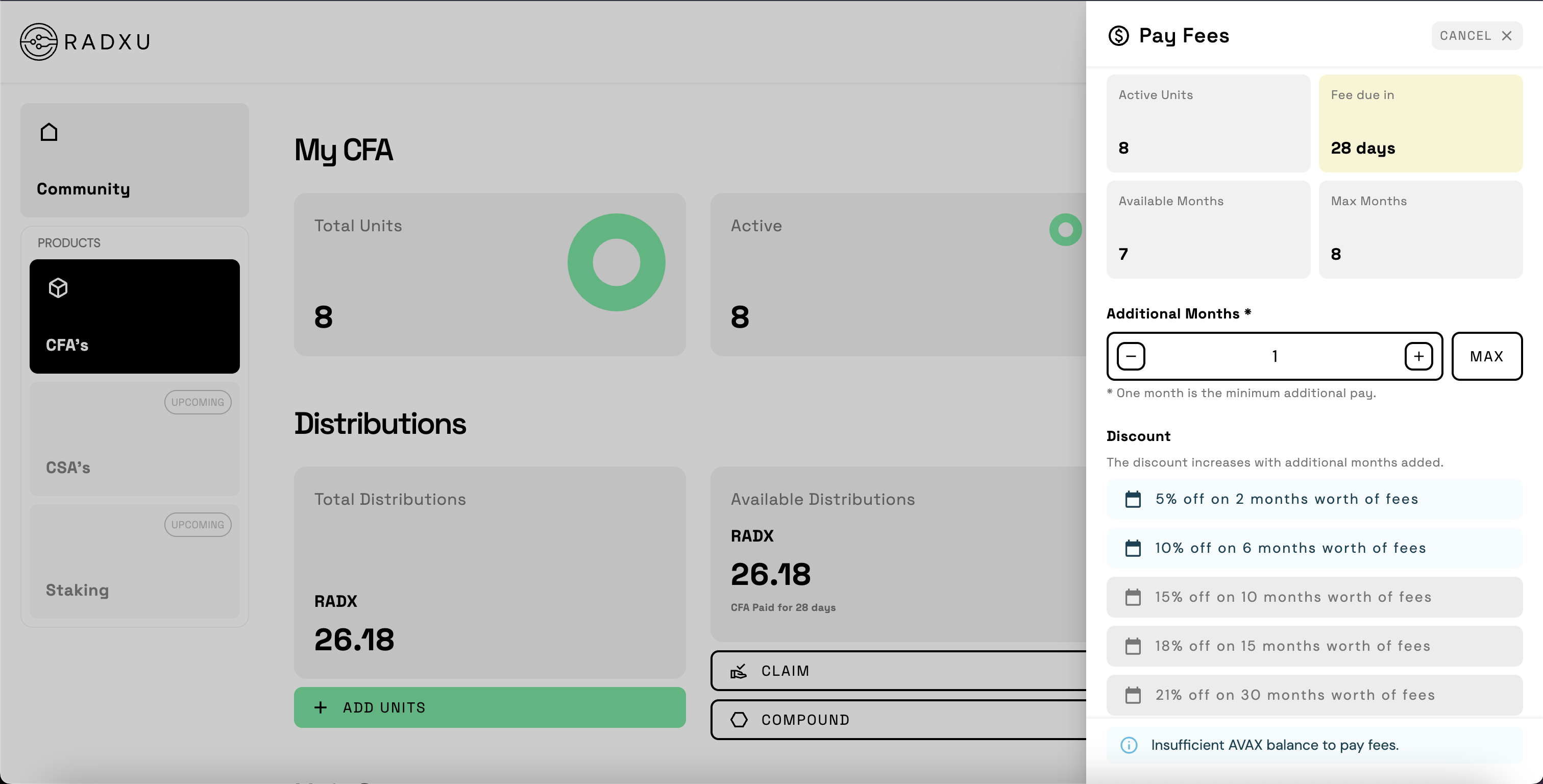
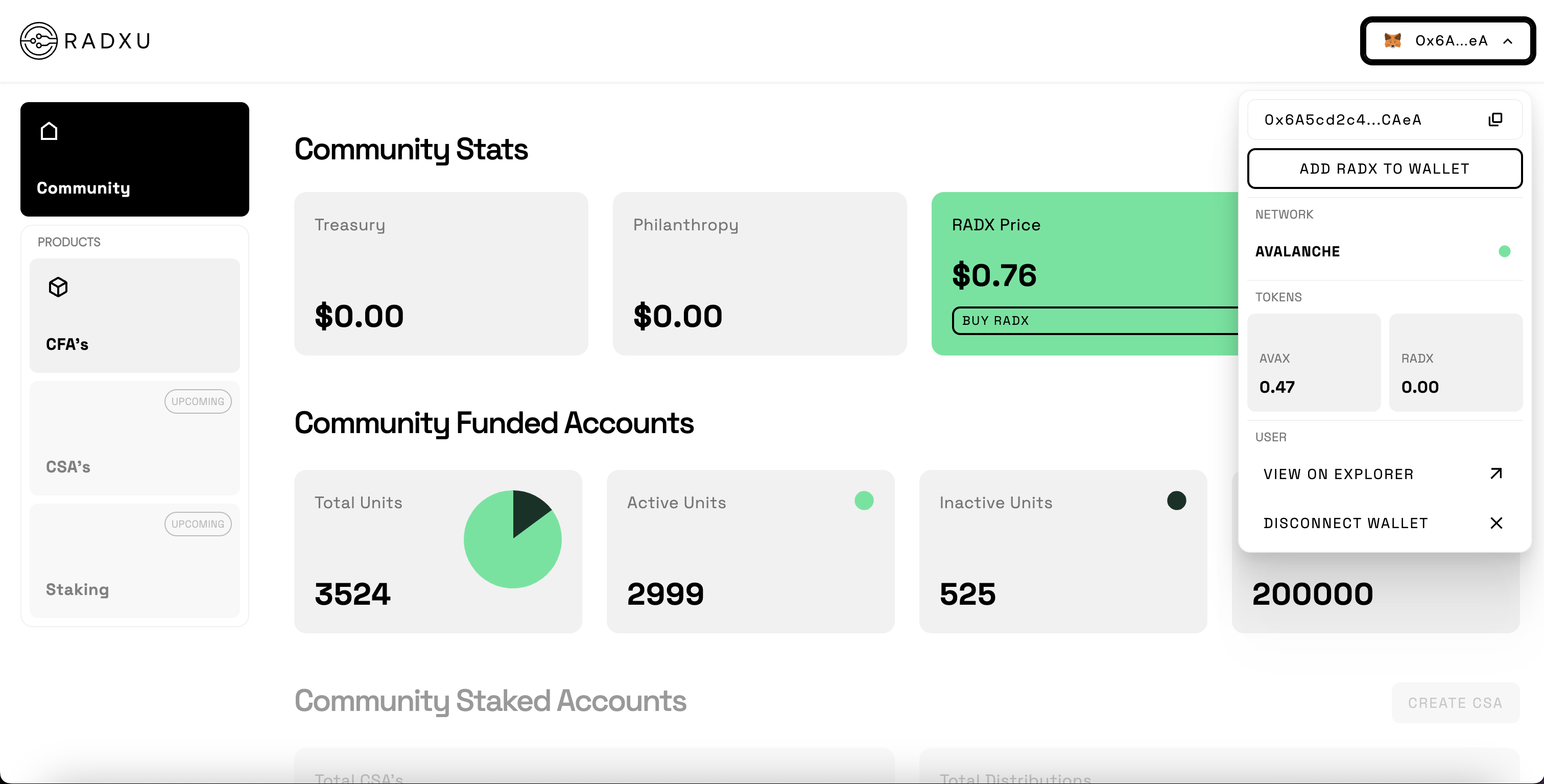
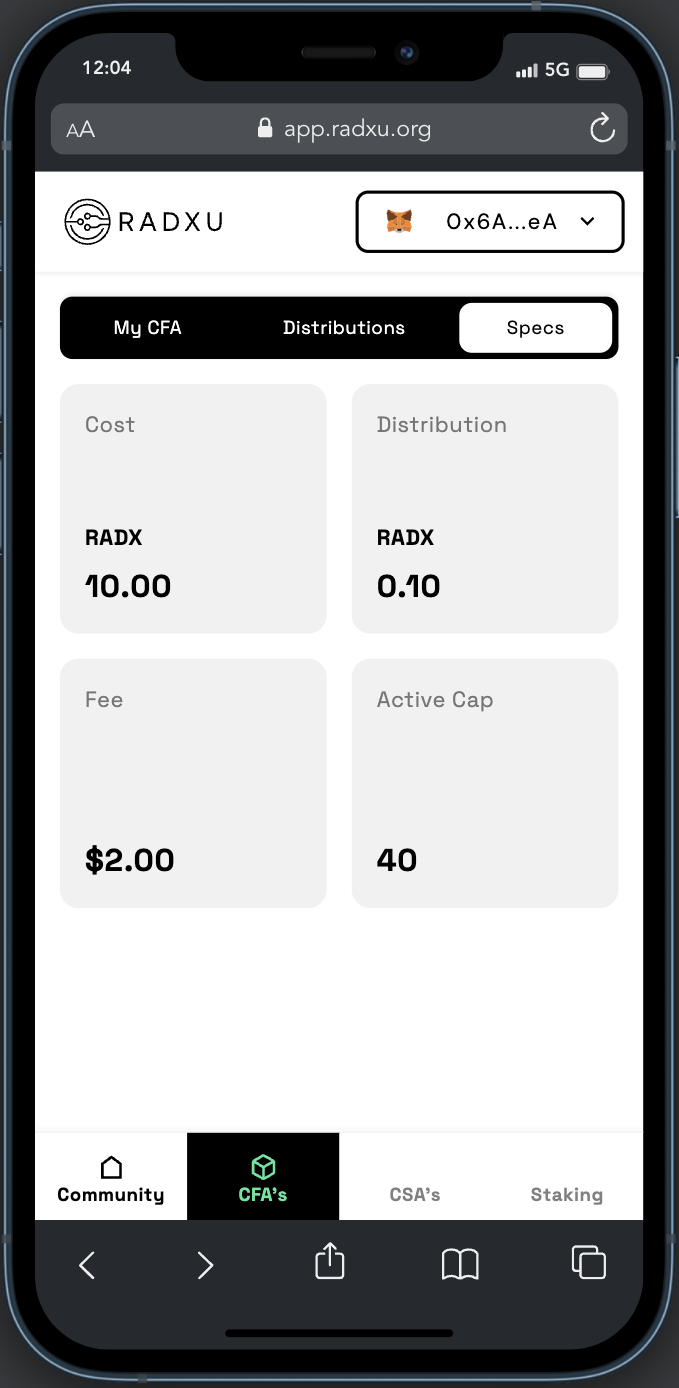
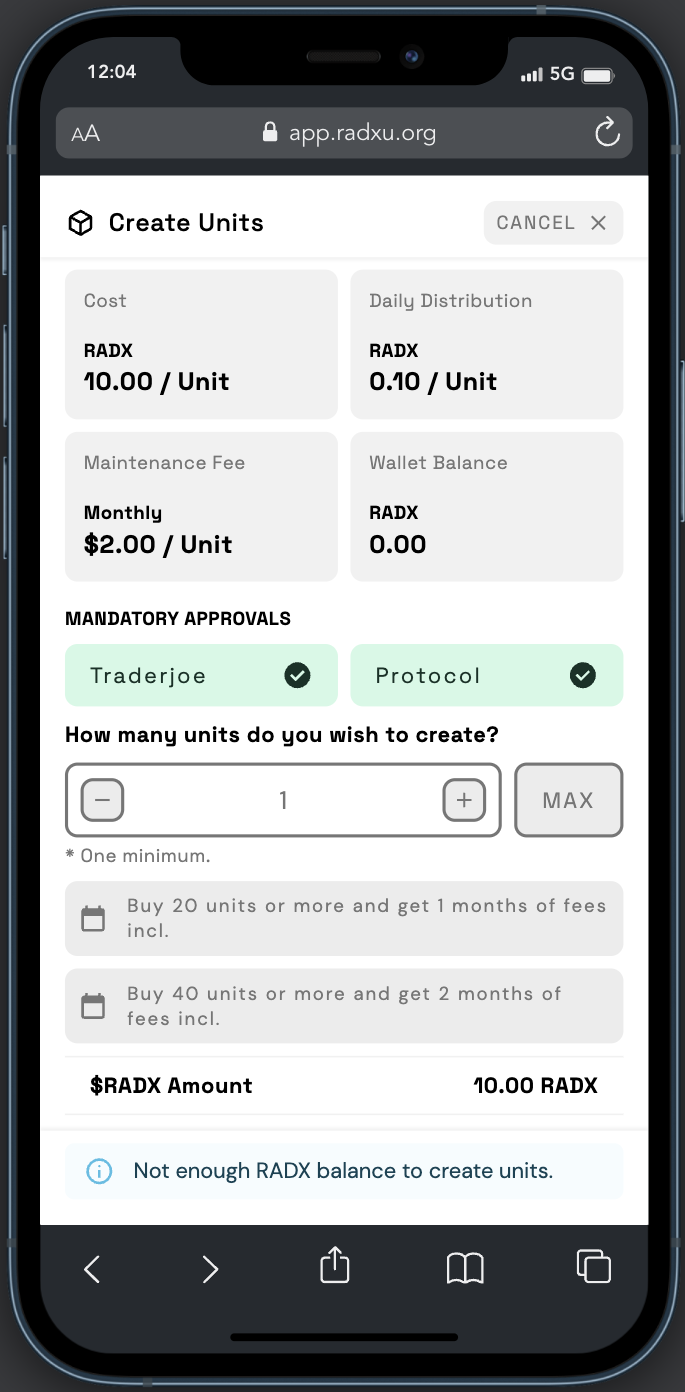
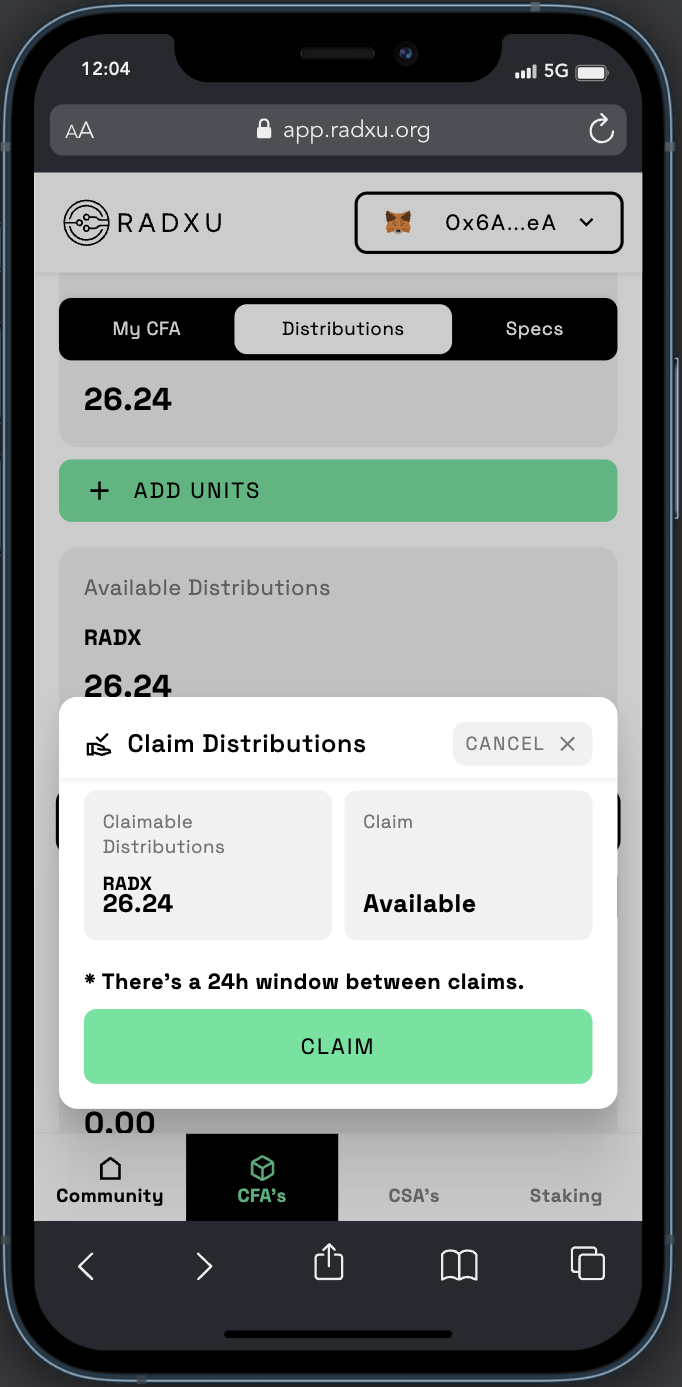
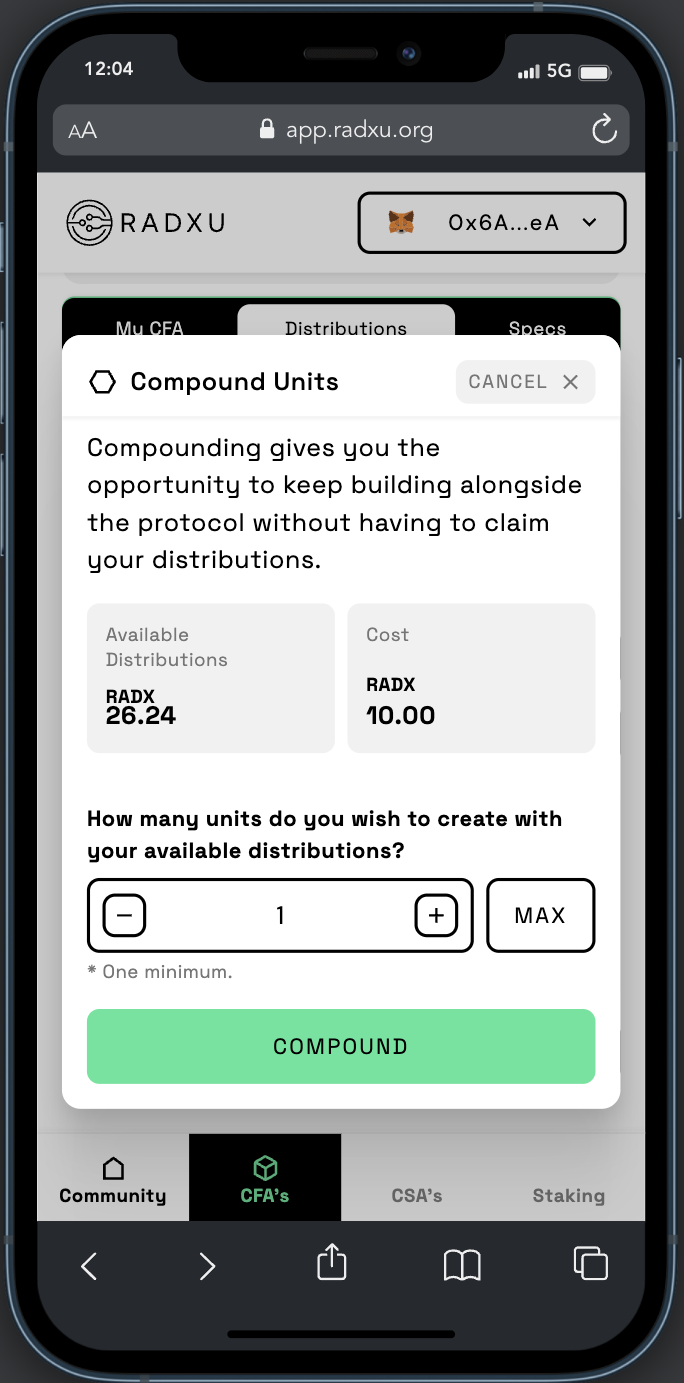
Section titled “Radxu Application”The Radxu application followed a simple monolithic architecture. The frontend interacted directly with the smart contracts deployed on the Avalanche network without relying on external APIs or indexing layers.
This approach minimized infrastructure complexity and allowed the team to focus on building the core product features as quickly as possible.
flowchart LR

    User[User / wallet]

    subgraph Radxu [Radxu App]
        App[Monolithic web application]
    end

    subgraph Avalanche network
        Contracts[Protocol contracts]
    end

    User -->|Wallet connection| App
    App -->|Transactions| Contracts
    App <-->|Read State| Contracts
My Contributions
Section titled “My Contributions”Landing Pages & CMS Integration
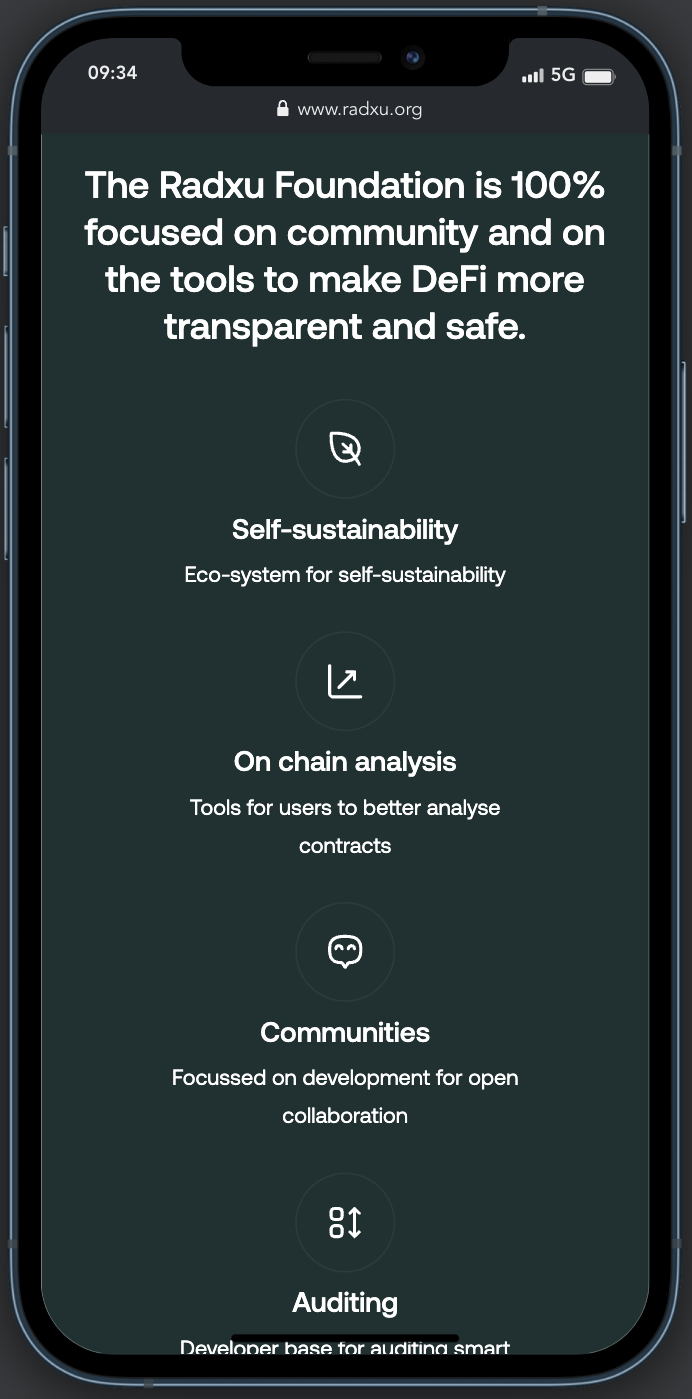
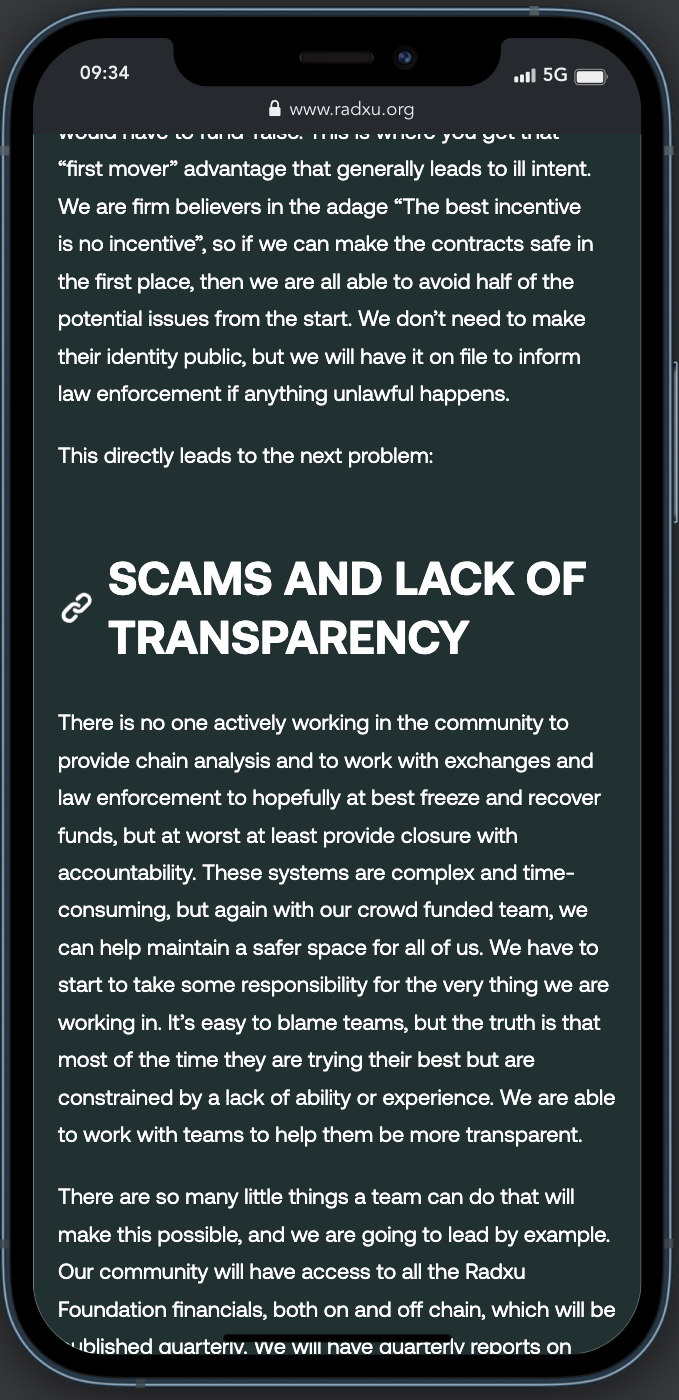
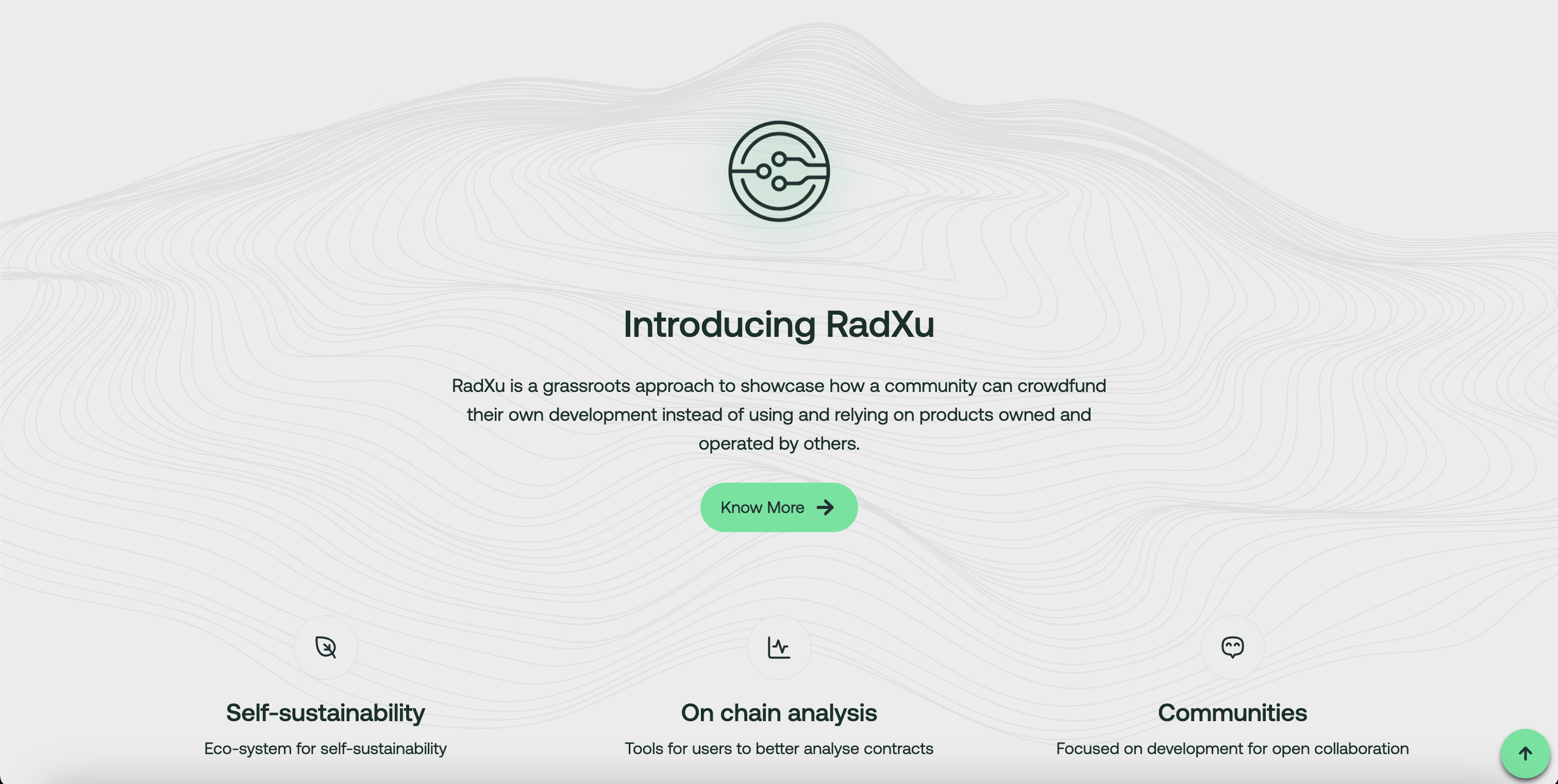
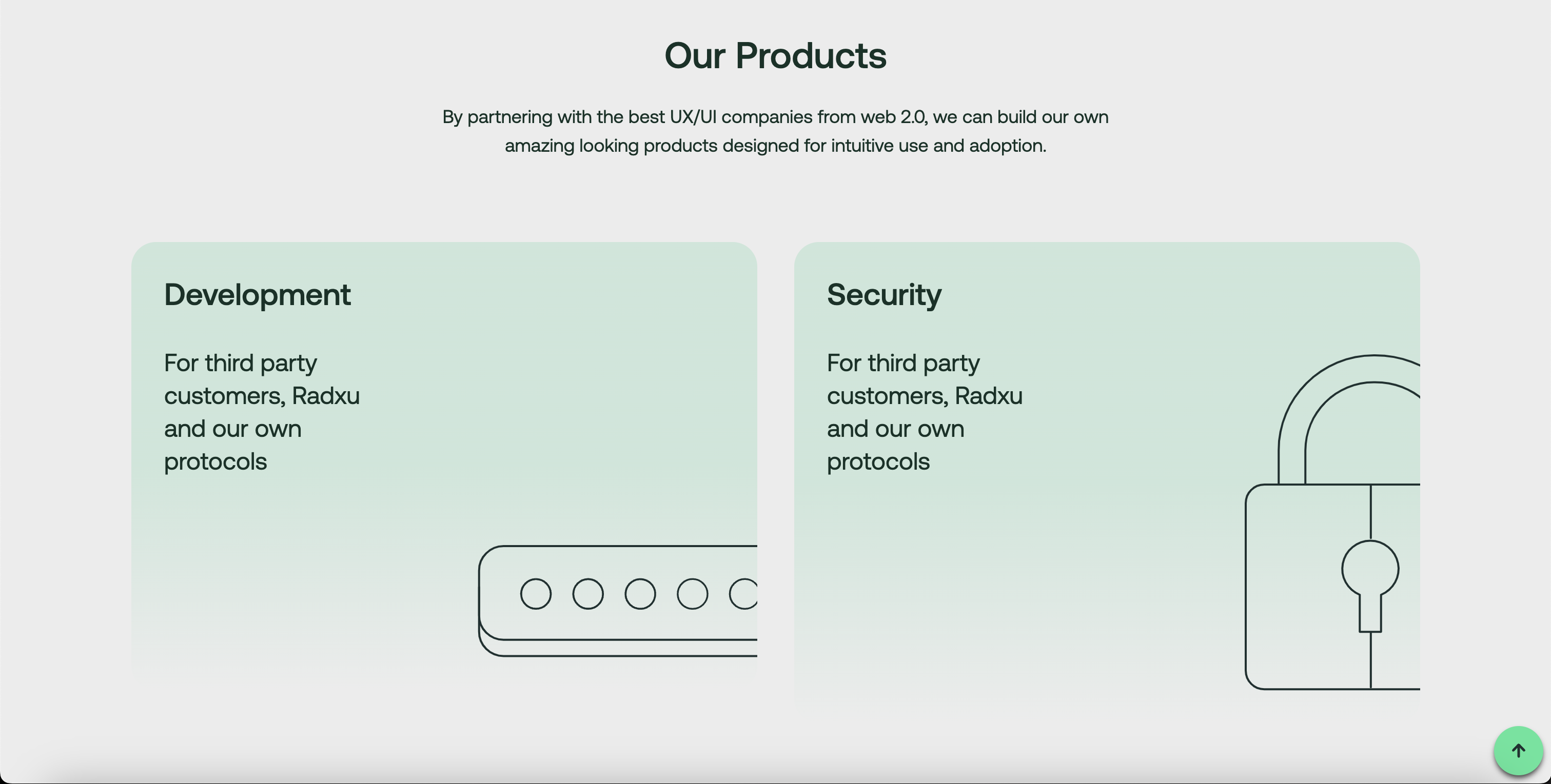
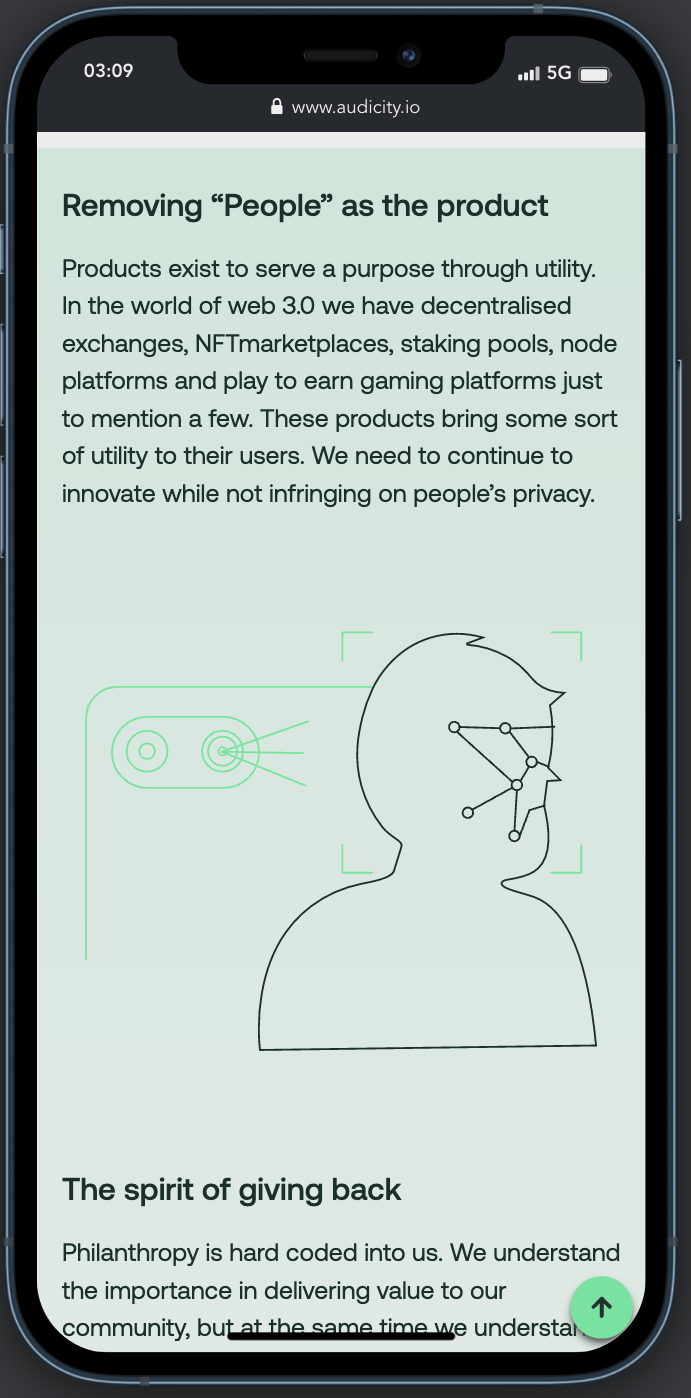
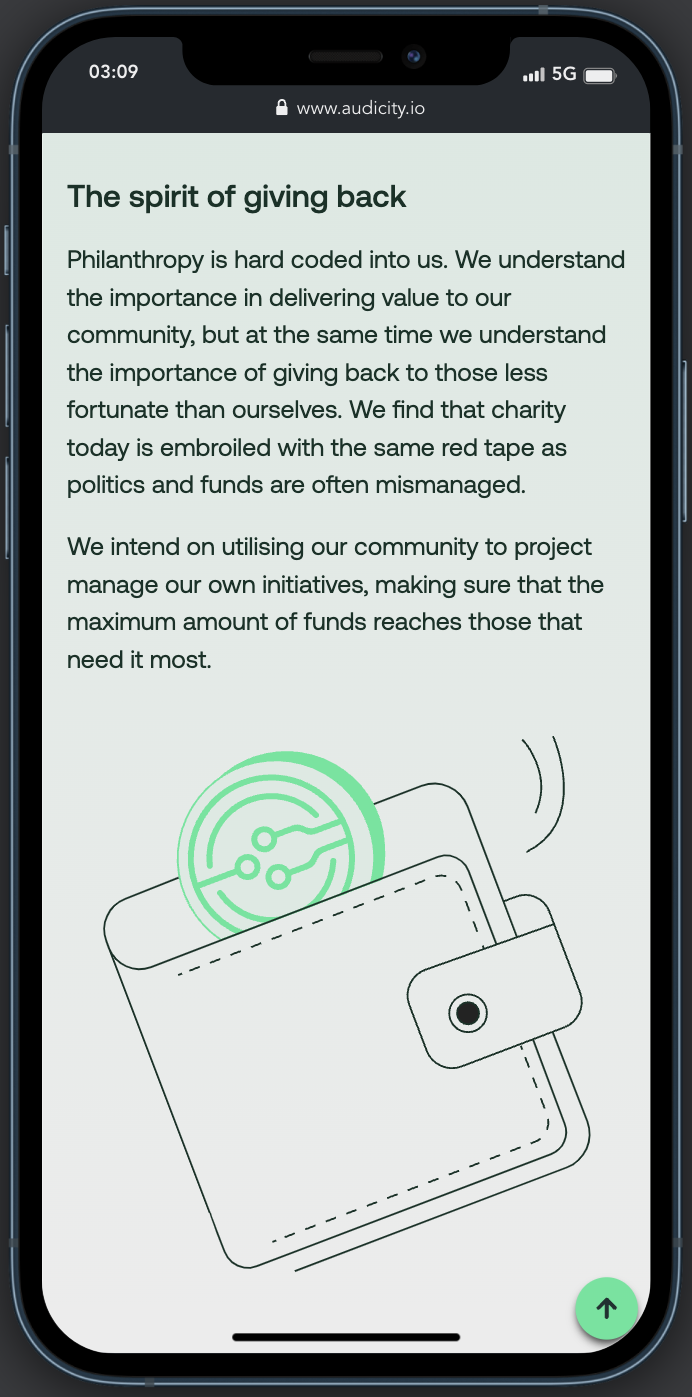
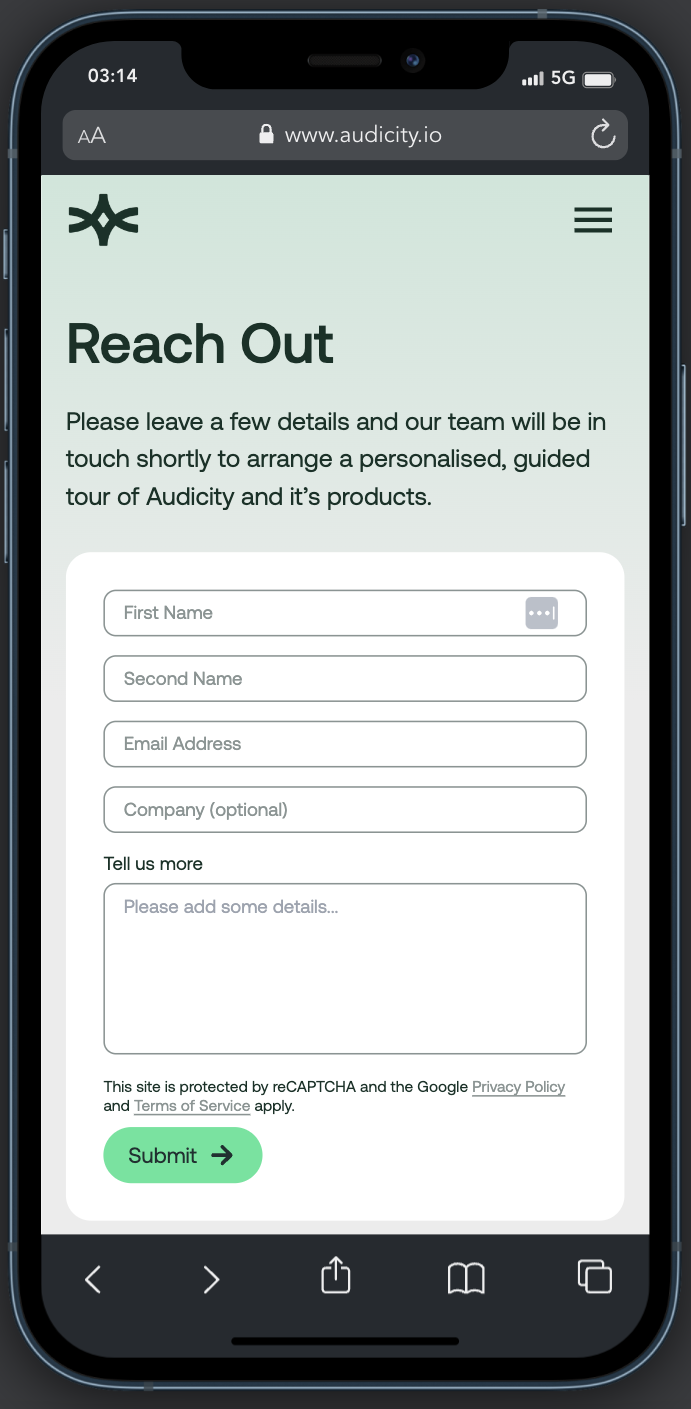
Section titled “Landing Pages & CMS Integration”I was responsible for the development of the company websites. Using Figma designs provided by an external agency, I implemented the landing pages for Audicity and Radxu. I integrated Sanity CMS to allow non-technical team members to update content and manage the blog independently, without requiring developer support.
Application Development
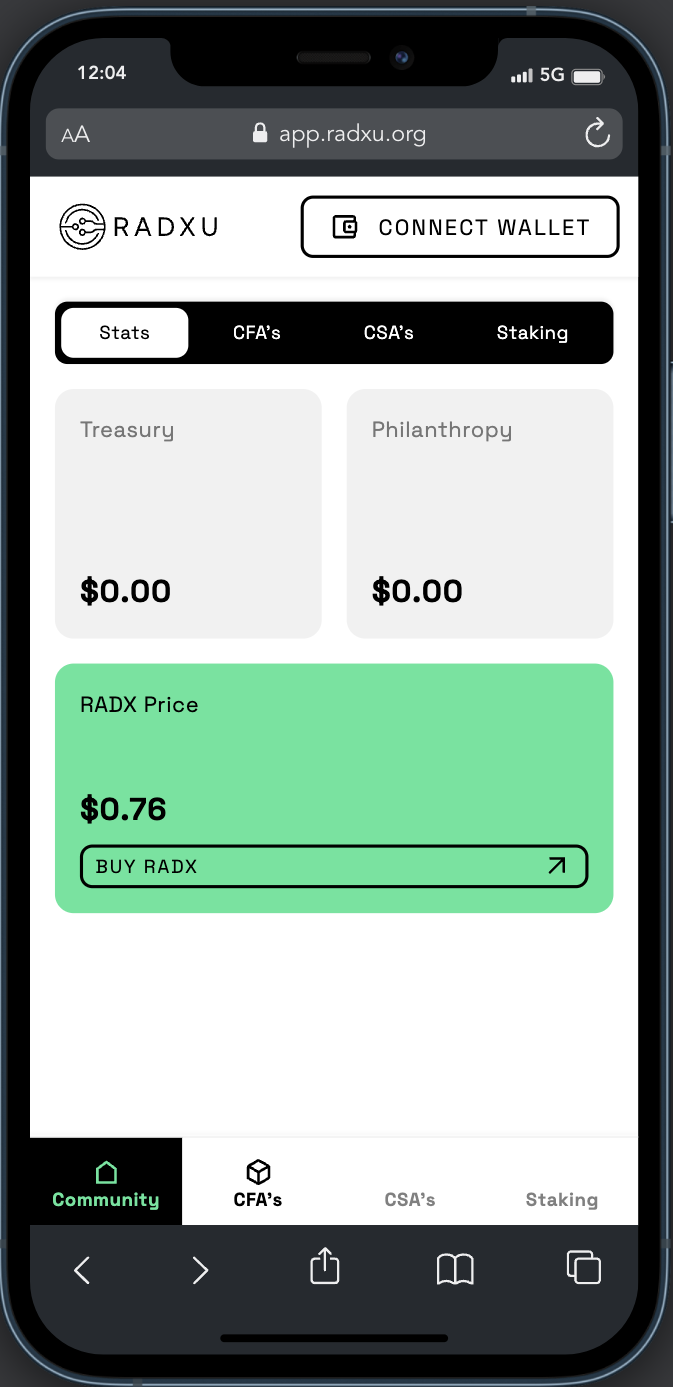
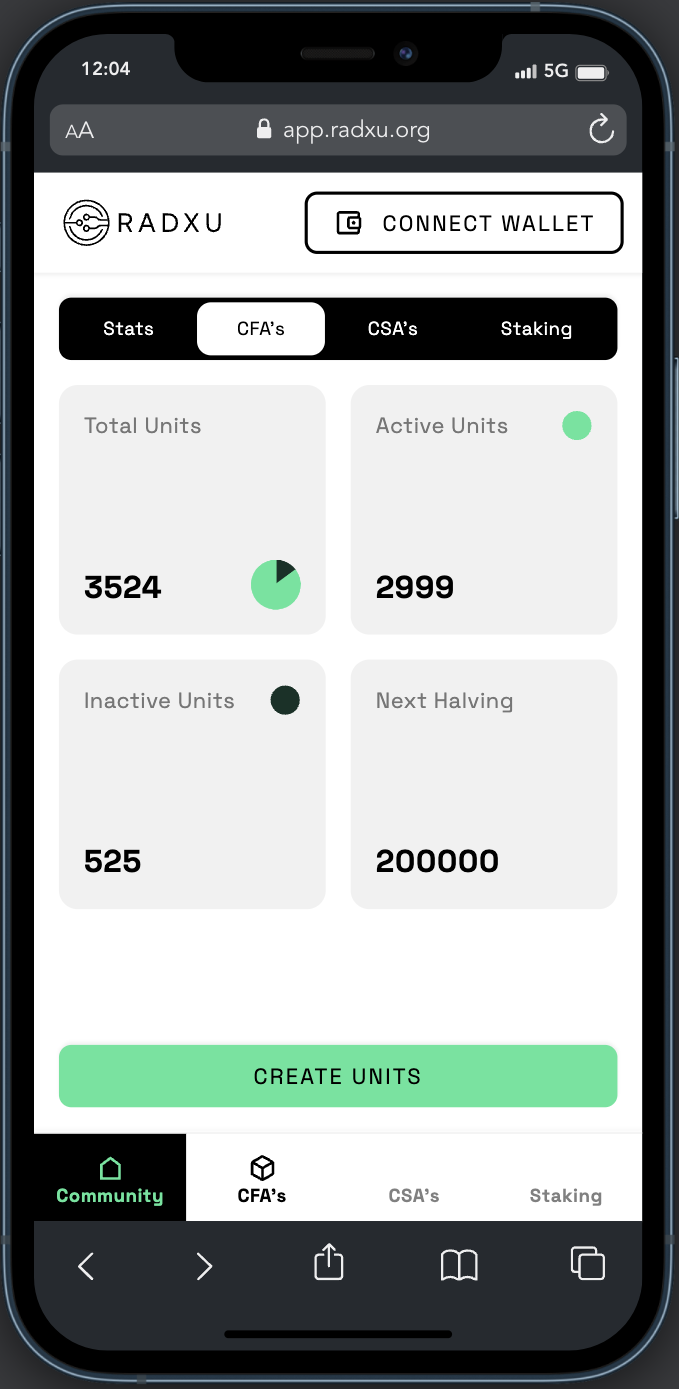
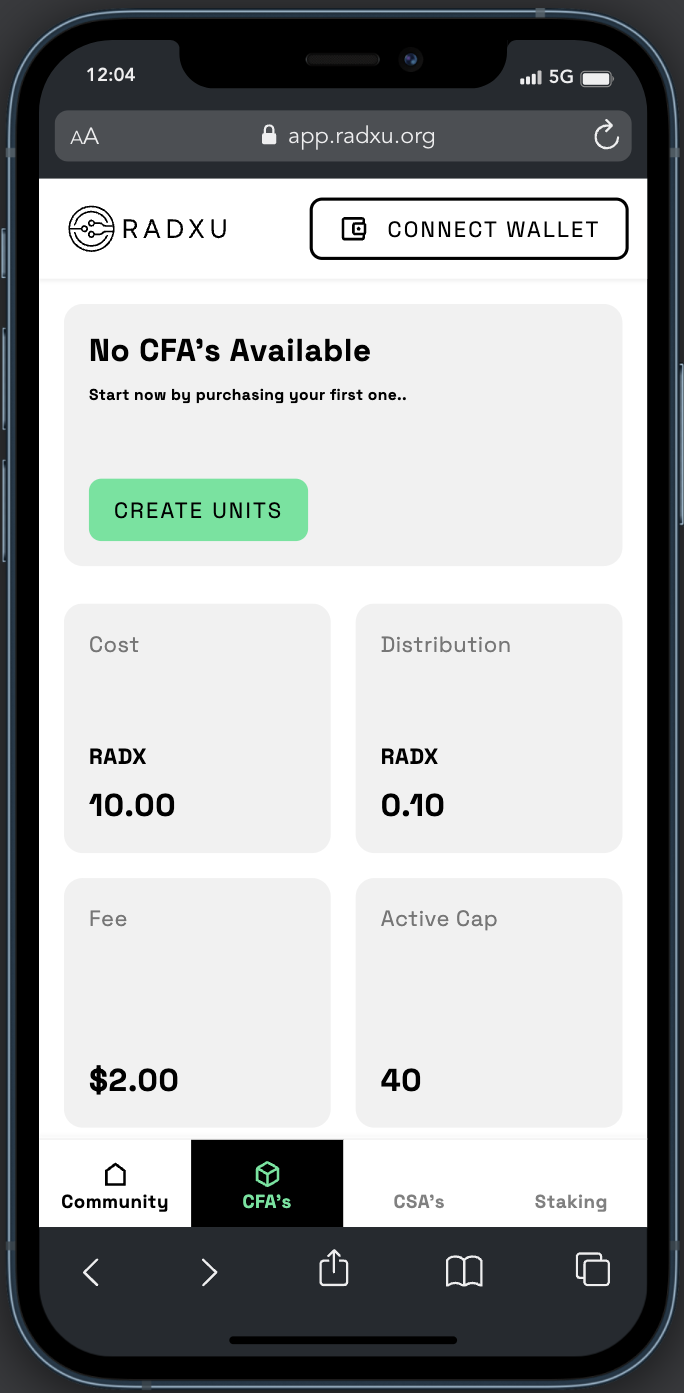
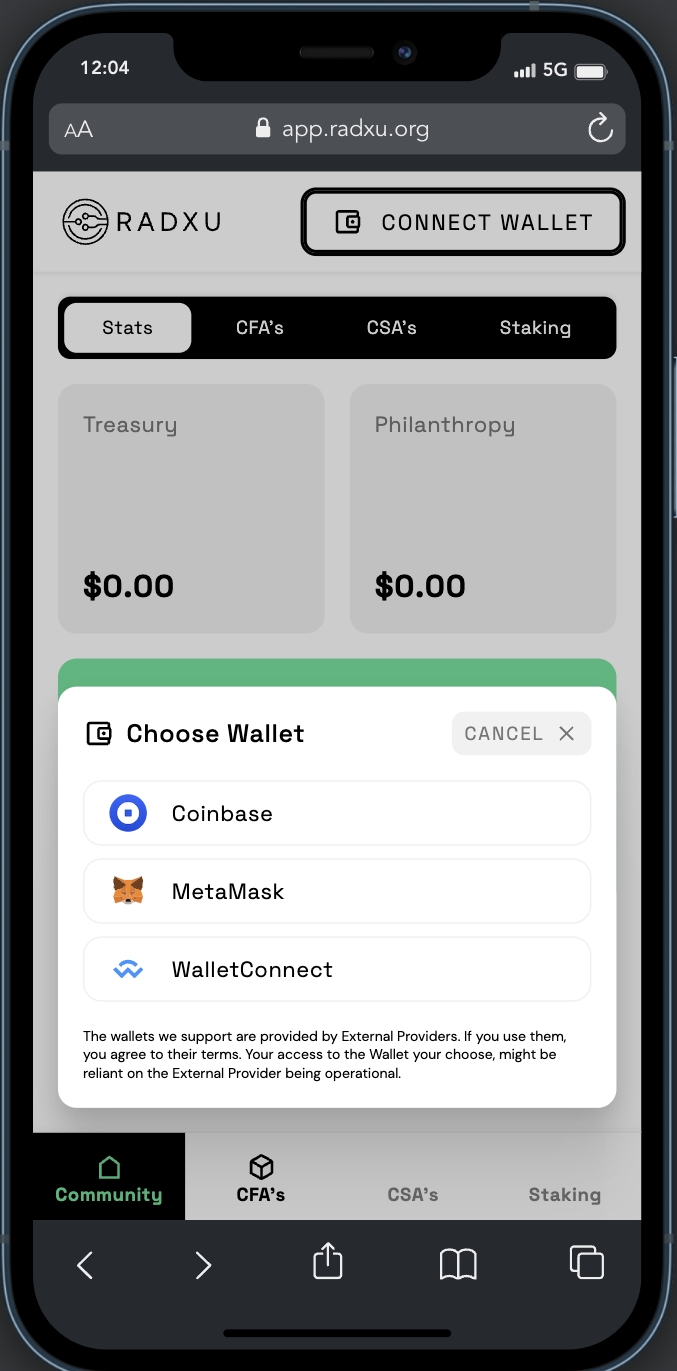
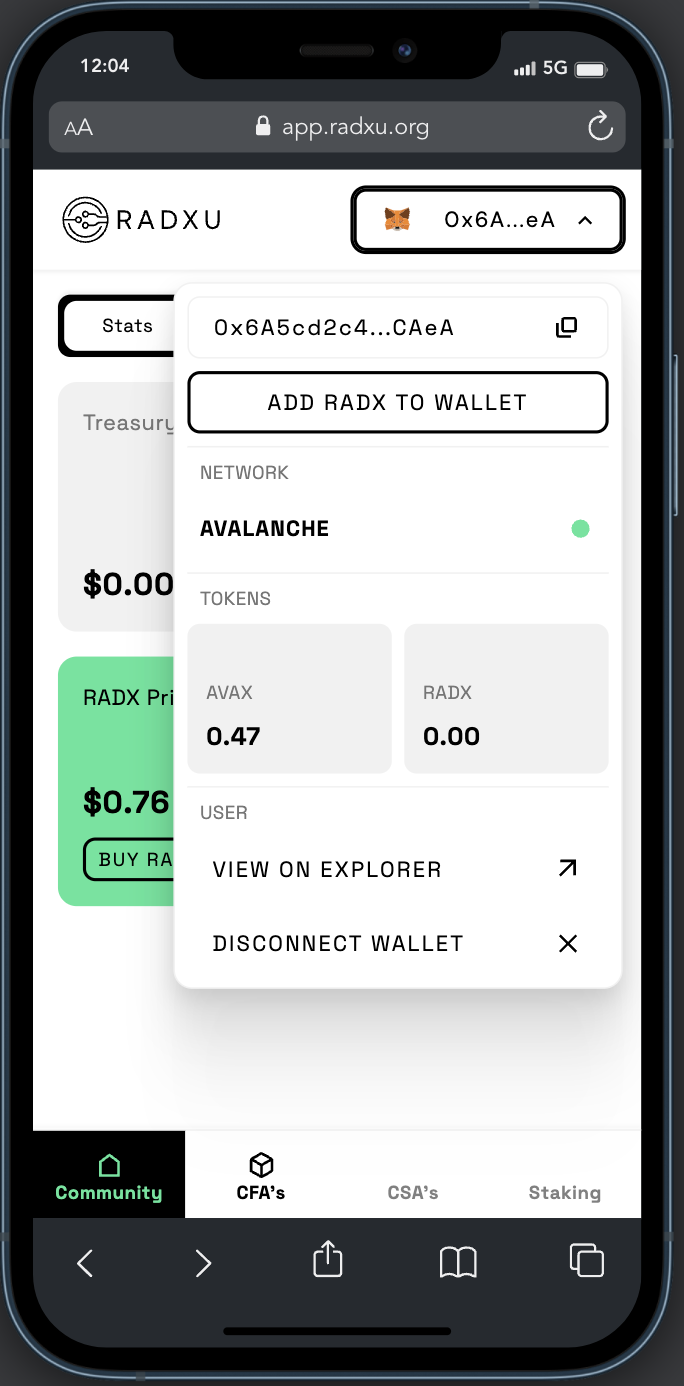
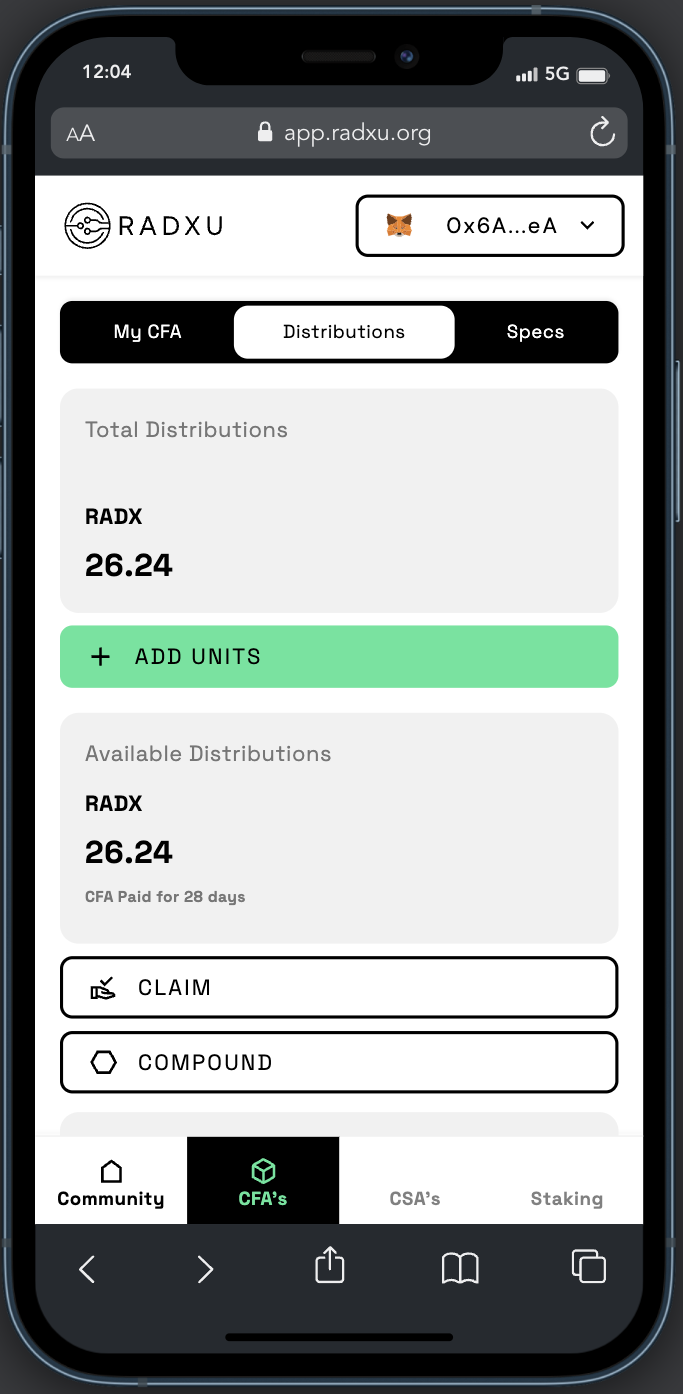
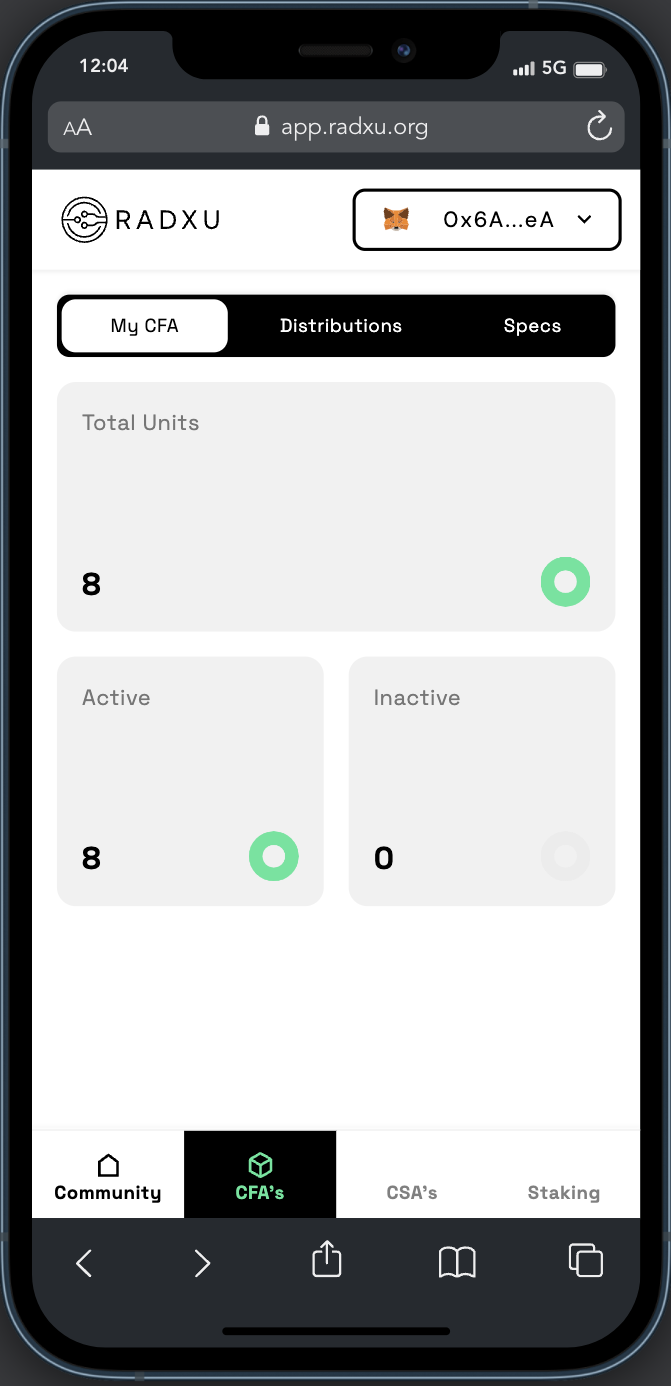
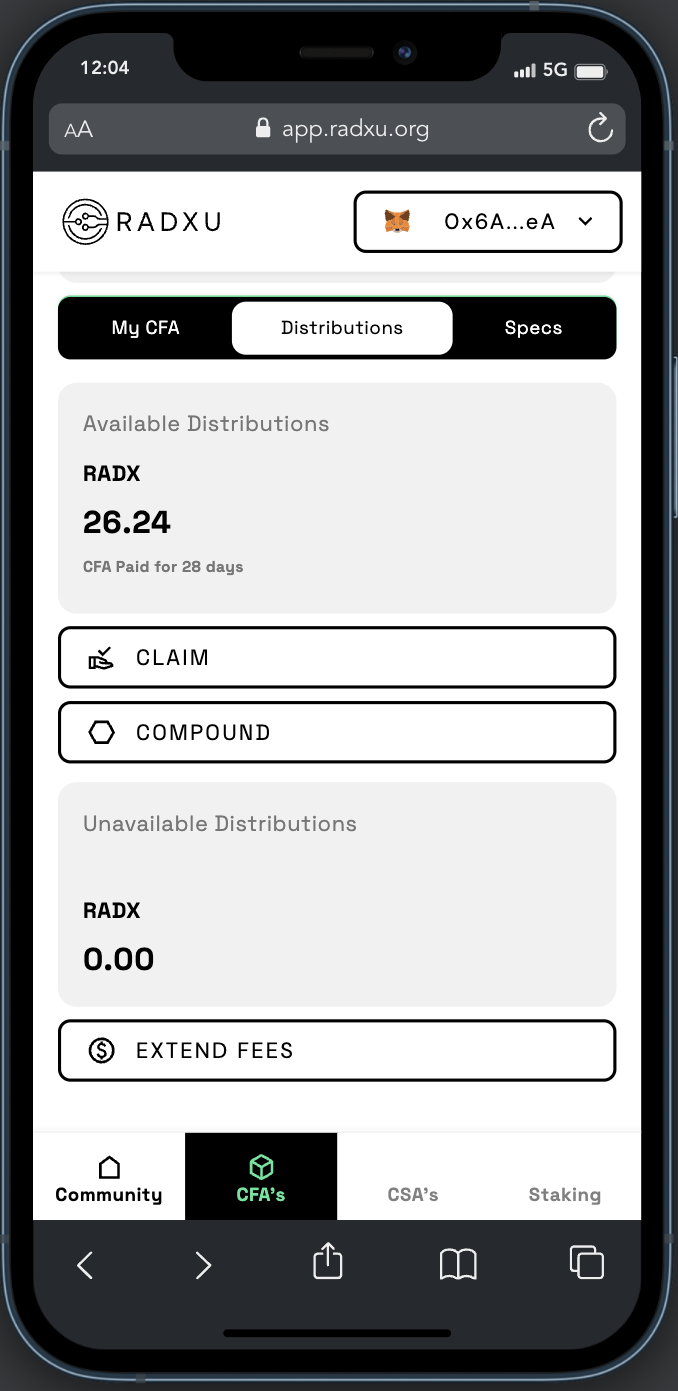
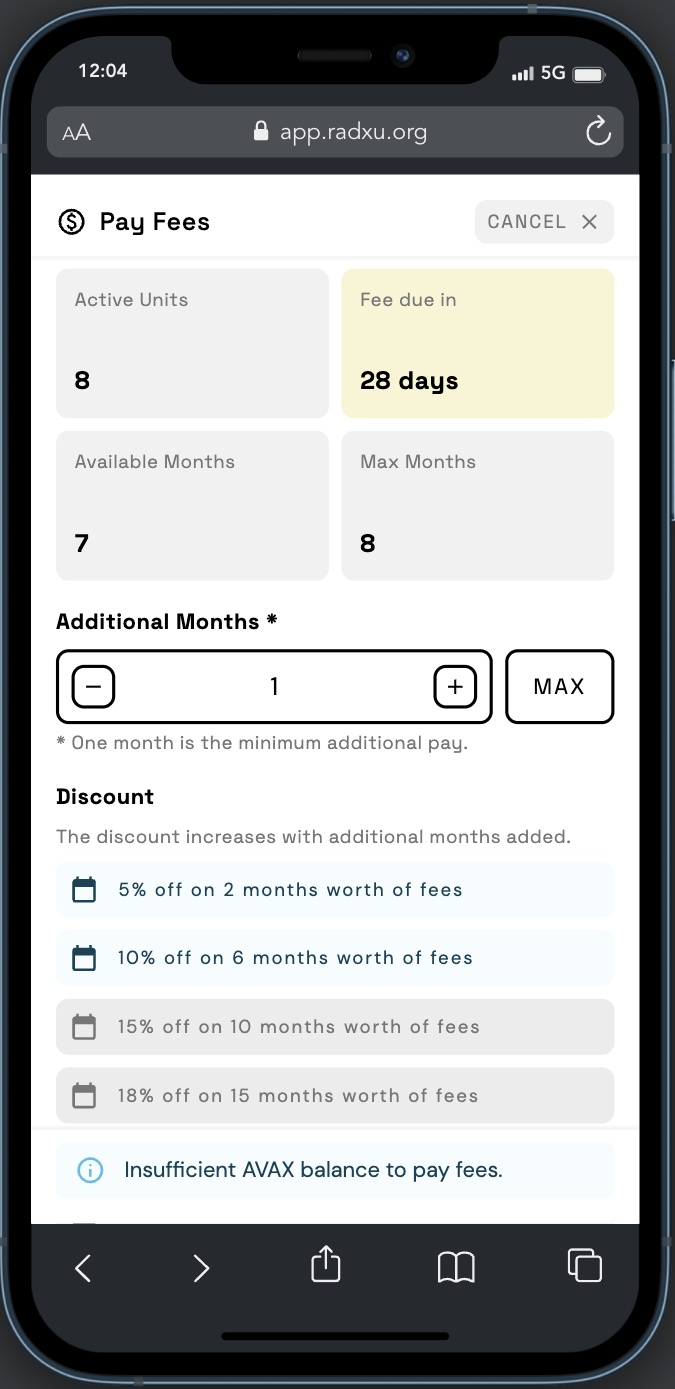
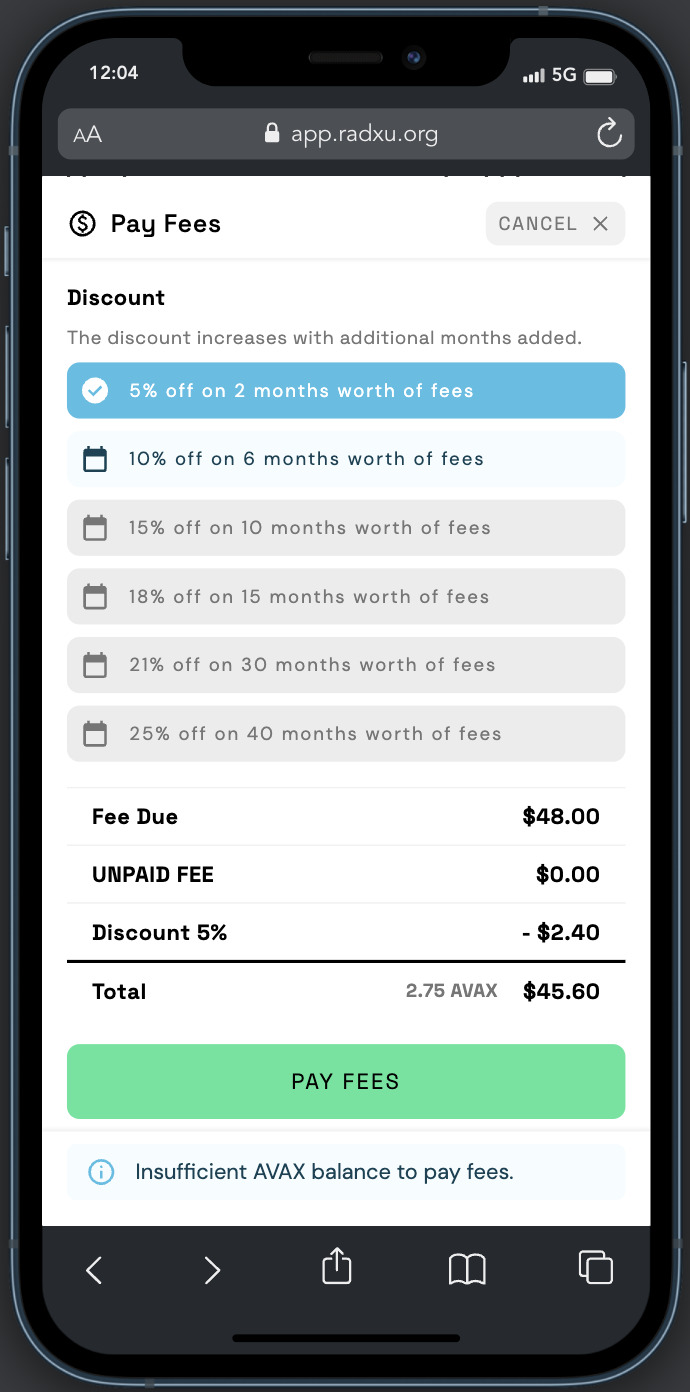
Section titled “Application Development”I developed the Radxu application as a simplified monolithic web app, prioritizing rapid delivery given the small team and limited resources. This included implementing features such as the CSA interface and staking functionality, which were completed but never launched due to the company’s funding constraints.
Project Handoff
Section titled “Project Handoff”Before leaving the company, I ensured that all frontend work was fully implemented and deployment-ready, enabling the project to continue immediately if additional funding had been secured.
Supporting Material
Section titled “Supporting Material”Audicity
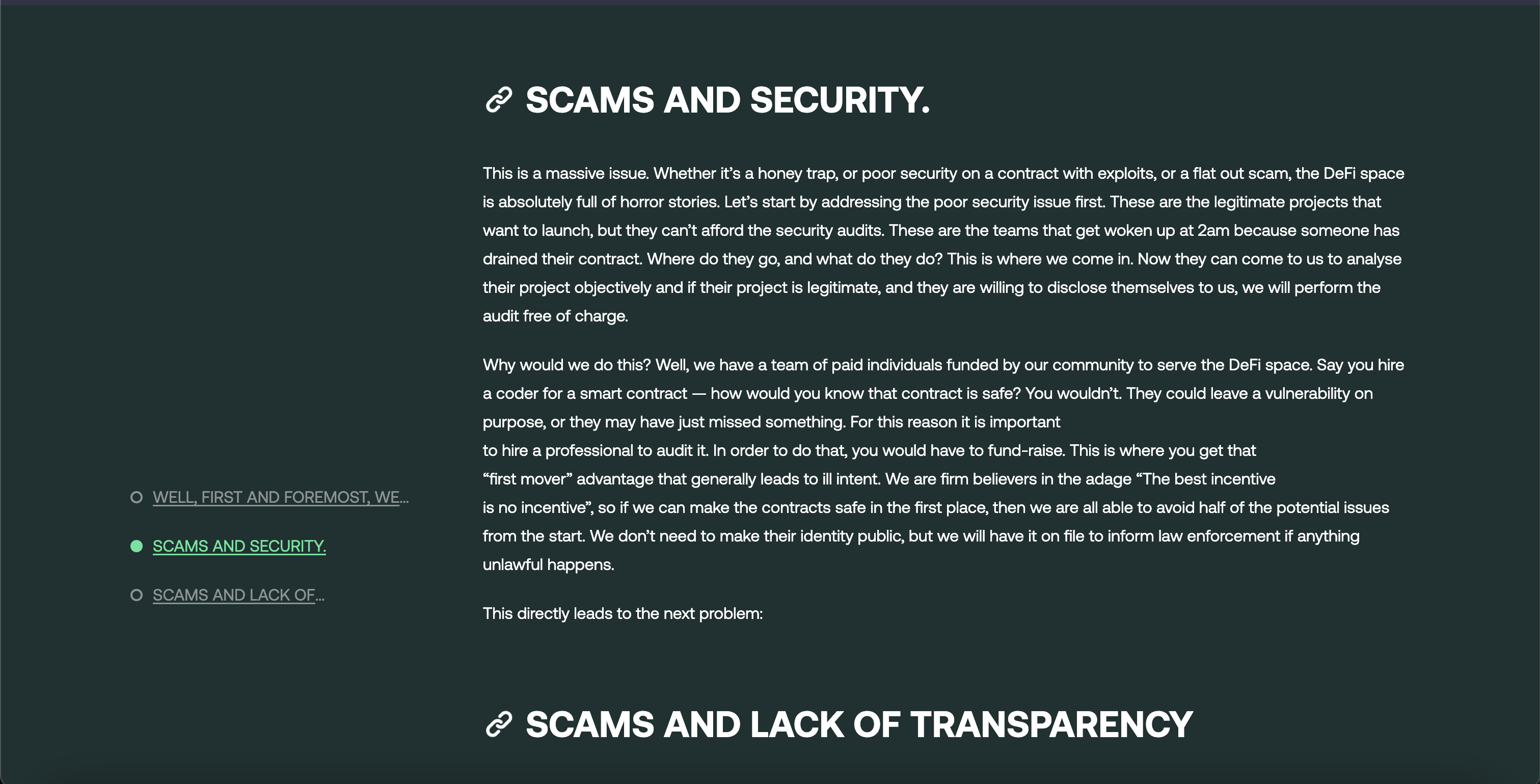
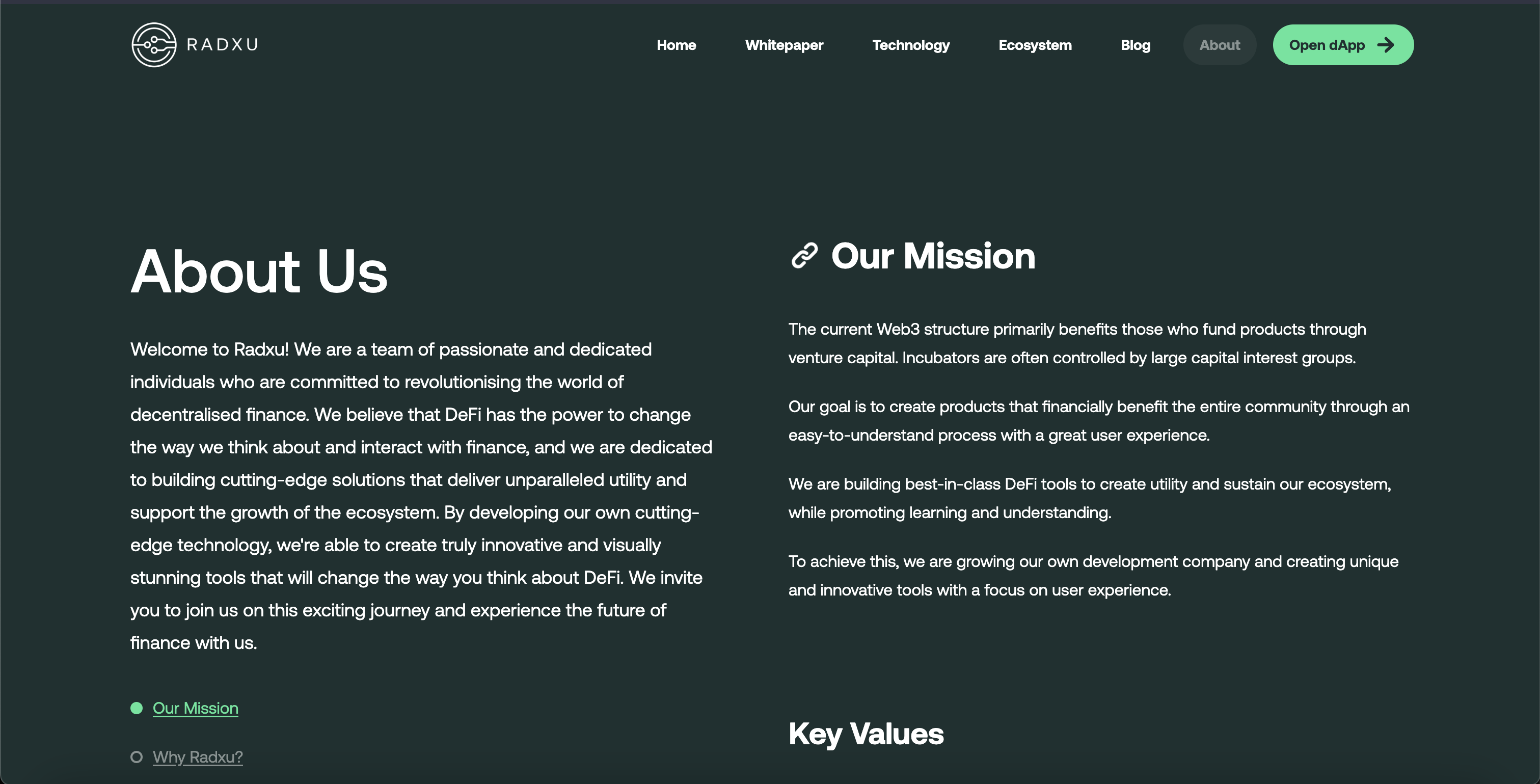
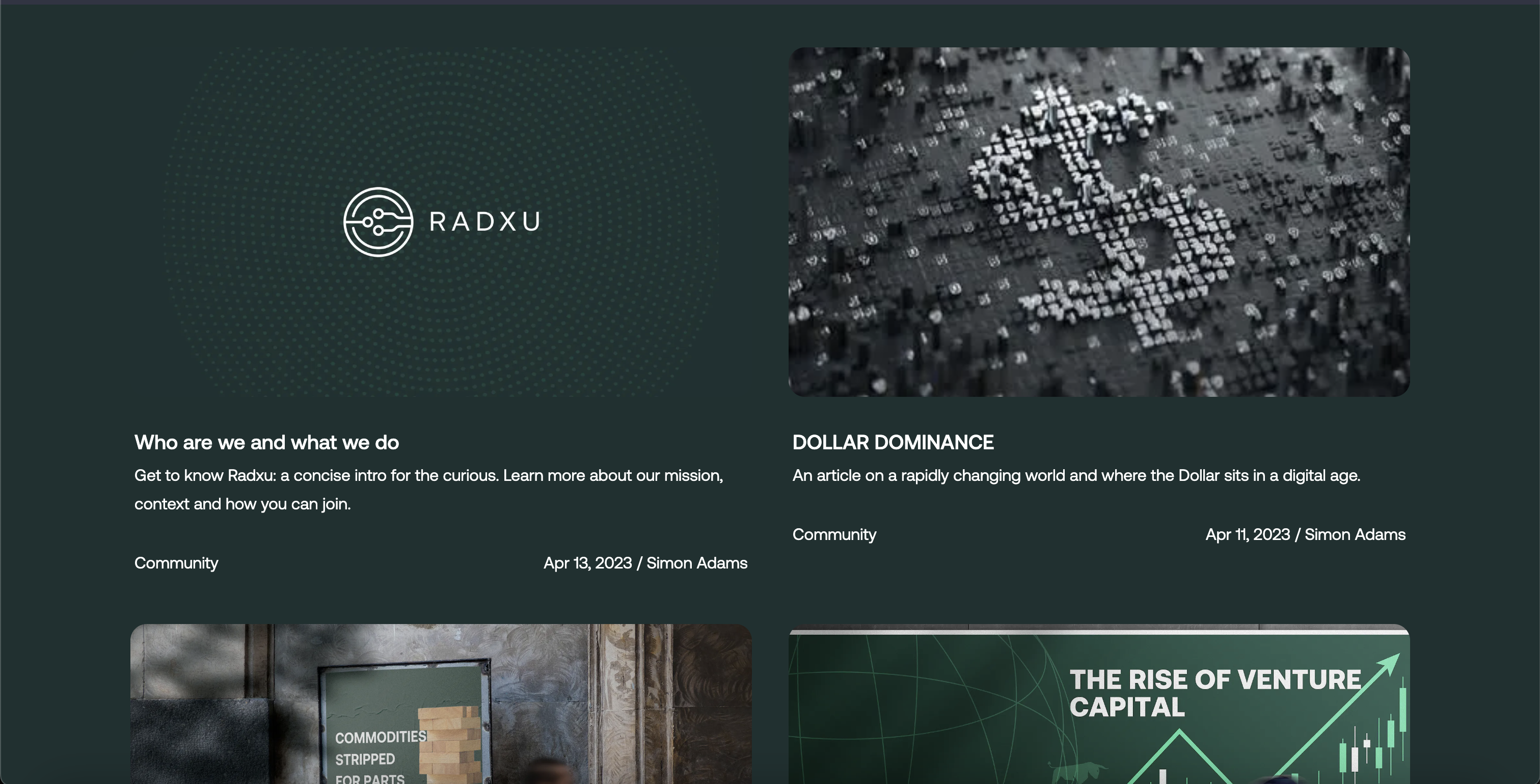
Section titled “Audicity”Lading - May 22, 2023
dApp - May 22, 2023
Landing - May 22, 2023